Home › Topsoil, Grading, and Site Preparation
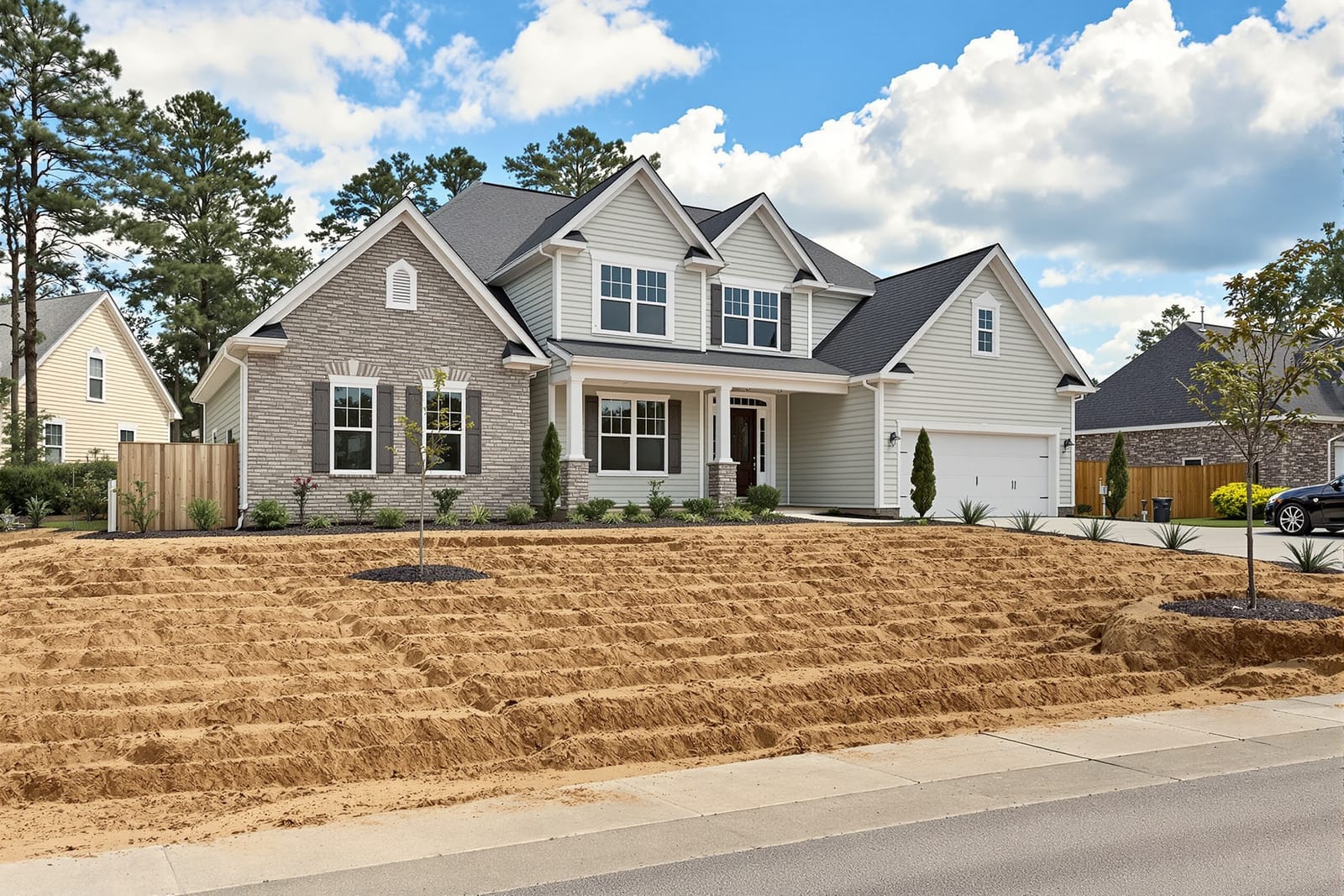
We handle complete hydroseeding site preparation in Phoenix, AZ so your lawn starts on a strong foundation. Our team provides rough and final grading, topsoil placement, rock and debris removal, and soil conditioning to promote drainage, root depth, and smooth mowing surfaces.
Legendary Hydroseeding Phoenix provides professional hydroseeding site preparation throughout Phoenix, AZ, Arizona and the surrounding area. Our licensed, insured crew delivers safe, clean, on-time work with a free estimate before anything begins. Call 623-323-4586 or request your free quote.
Hydroseeding Site Preparation That Works In Phoenix Soil
Hydroseeding only performs as well as the ground underneath it. At Legendary Hydroseeding Phoenix, most of the problems we are called to fix in Phoenix lawns and roadside slopes come from poor site preparation, not the seed mix. Our Topsoil, Grading, and Site Preparation service focuses on getting the base right so the hydroseed can actually take root in our hot, alkaline desert conditions.
Phoenix yards and commercial sites usually start with compacted native soil, decomposed granite, or construction fill. That material can be hard as concrete and sheds water instead of soaking it in. We look at what you already have, how water currently moves across the property, and what the final use will be (front lawn, dog yard, slope stabilization, common area, or large commercial tract). Then we design a specific preparation plan for that ground instead of using a one-size-fits-all approach.
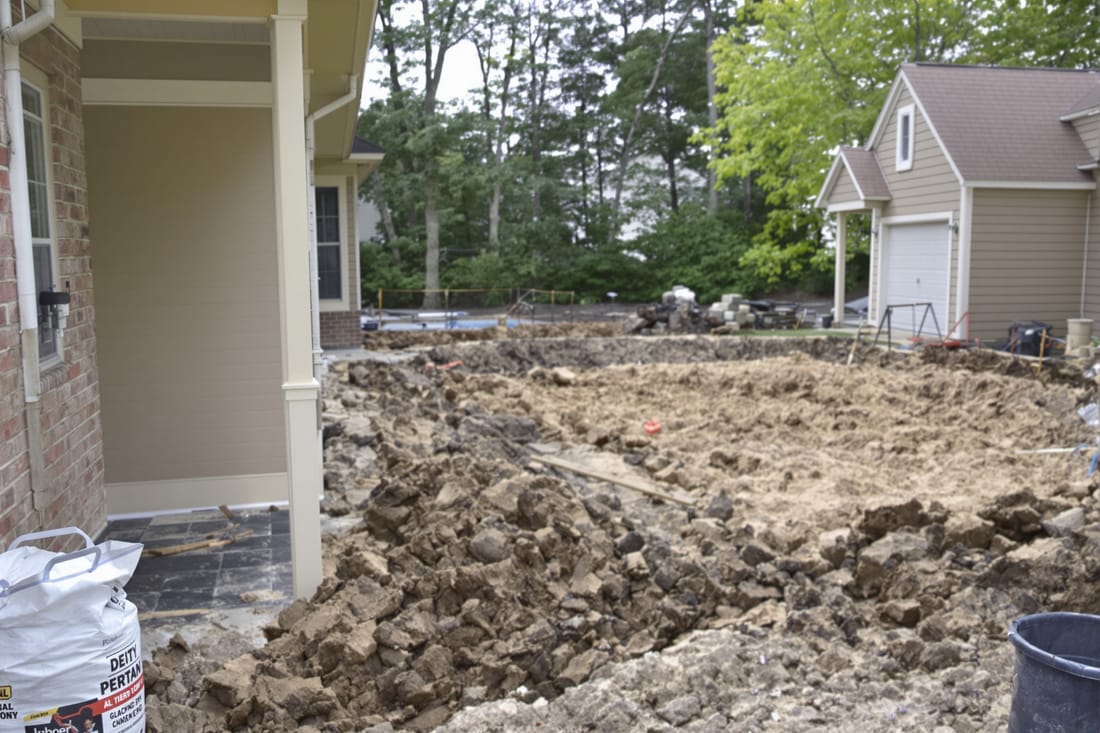
If you have new construction, we often find buried debris, drywall chunks, and caliche layers that block roots. For existing yards, we see a lot of patchy Bermuda, old rock landscaping, and low spots that pond after monsoon storms. Our site prep is built to fix those local realities first so that when we apply hydroseeding later, it does not just look good for a few weeks and die once the real Phoenix heat shows up.
Grading For Drainage, Not Just For Looks
Good grading is about where the water goes, not just making the yard level. In Phoenix, that matters because a 10 minute monsoon cell can dump more water on your property than a month of regular irrigation. Our crews at Legendary Hydroseeding Phoenix start with a simple drainage review before we move any dirt.
We check where the downspouts discharge, how neighboring yards sit in relation to yours, and where your existing rock swales or catch basins are. On residential properties, we usually aim for a gentle 1 to 2 percent slope away from the house for at least 5 to 10 feet, then shape shallow swales to carry stormwater toward the street or designated drainage points. On larger commercial parcels, we coordinate grading with civil plans and retention basins so our fine grading matches the approved drainage design.
Equipment choice depends on the size of the job. For small Phoenix backyards, we often use skid steers and small tractors with laser or GPS-guided blades to get consistent slopes without tearing up surrounding walls or patios. For acre-size or larger jobs, we bring in heavier graders and compactors so the finished surface stays stable under foot traffic and mowing equipment.
We also pay attention to transition areas, the spots where turf will meet sidewalks, driveways, or landscaped rock. We taper those joints so the hydroseeded area does not sit in a trench or on a ledge, which can cause scalping during mowing and erosion at the edge of the lawn. By the time grading is done, the site should already shed water correctly, even before we add hydroseeding.
Topsoil Selection And Soil Conditioning For Desert Lawns
Phoenix does not have the dark loam you see in wetter climates. Most of our native soils are sandy, rocky, or clay-heavy with high pH. Simply spraying seed and mulch onto that surface and hoping for a thick lawn is a recipe for frustration. Legendary Hydroseeding Phoenix focuses heavily on the top 4 to 6 inches of soil so the new roots have a zone they can actually live in.
When we say topsoil, we are not just talking about any dirt in a truck. For hydroseeding site preparation, we look for screened, relatively stone-free soil with enough organic matter to hold moisture but not so rich that it becomes mushy. In many Phoenix projects we blend imported topsoil with existing native soil on site. This keeps costs down while still improving structure.
Where budgets are tight or access is limited, we may instead scarify and rip the existing surface with tractor attachments, then work in compost, gypsum, and other soil amendments. Gypsum is particularly useful here for clay-heavy or sodic soils, which are common in older irrigated neighborhoods. We often add starter fertilizer tailored to warm-season grasses like Bermuda or cool-season overseed blends, depending on the time of year.
Soil depth decisions are driven by how you plan to use the space. A light-use side yard might do fine with 3 to 4 inches of improved topsoil, while a regularly used front lawn or commercial common area usually benefits from a full 6 inches. We explain material options up front so you can choose between the ideal build and a cost-conscious compromise, instead of being surprised later when the lawn struggles in the summer heat.
Step By Step: How We Prepare A Hydroseeding Site In Phoenix
A typical hydroseeding site preparation project with Legendary Hydroseeding Phoenix follows a clear sequence so there are no surprises.
First visit: We walk the site with you, flag irrigation heads and utilities, and talk through how you plan to use the area. We take note of shade patterns, wind exposure, pets, and traffic paths. This helps us decide how aggressive we need to be with grading and what soil improvements make sense.
Clearing and stripping: We remove existing turf, weeds, loose rock, and construction debris. For old lawns we may use sod cutters and then mechanically remove root mats so they do not compete with new seed. If there is plastic weed barrier, we pull it out because it interferes with root depth and drainage.
Rough grading: Using skid steers, tractors, and sometimes mini excavators, we shape the land to establish overall drainage. We deal with common Phoenix issues like driveways that trap water against block walls, sunken irrigation boxes, and low spots at property corners. We compact in lifts where needed so the soil does not later settle into ruts or depressions.
Topsoil placement and blending: We spread imported topsoil where needed and blend it with native soil using tillers or disc attachments. This prevents a slick layer from forming at the interface, which can otherwise trap water and limit root penetration.
Fine grading: We use rakes and drag mats to smooth the surface, break down clods, and remove stones that could interfere with seed coverage or later mowing. This is when we adjust subtle contours, create gentle crowns, and make sure sidewalks and driveways sit just slightly higher than the finished lawn.
Pre-hydroseeding checks: Before we ever bring in the hydroseeding rig, we run the irrigation briefly to confirm head coverage and identify any low-pressure zones. If water does not reach certain corners, no amount of site prep will save the lawn. We also look ahead to access routes so our equipment does not cross over finished areas once the hydroseed is applied.
Costs, Timing, And What Phoenix Property Owners Should Expect
Every property is different, but a few things tend to drive the cost and timing of hydroseeding site preparation in Phoenix. At Legendary Hydroseeding Phoenix, we see the same core factors over and over: how much earthwork is needed, whether we are importing topsoil, how tight the access is, and how much cleanup of old landscaping has to be done.
If your lot is relatively flat and just needs light grading and minor soil improvement, site preparation can move quickly, often in a day for small residential yards once equipment is on site. Projects that involve removing old concrete, hard caliche layers, or deeply compacted construction pads can take longer and require heavier machinery and more hauling. Tight side yards or limited gate access usually mean smaller machines and more hand work, which affects labor costs.
Season also matters. In late spring and summer, we aim to complete site preparation and hydroseeding as close together as possible so bare soil is not exposed to wind and intense sun for long. In cooler months we may stage the work a bit more, especially on large commercial sites, but we still avoid leaving finish-graded soil open for extended periods because dust and erosion can undo the fine grading.
Common problems we prevent or correct include standing water along block walls, uneven transitions to existing sidewalks, and shallow soil over hardpan that leads to burned-out patches by July. We discuss these risks with you before we start so you understand which solutions are essential and which are optional upgrades.
Before you hire anyone for hydroseeding site preparation in Phoenix, ask them specifically how they evaluate drainage, what type of topsoil or amendments they use in this area, and how they plan to blend new material into your existing soil. A contractor who skips those details is usually just mowing and moving dirt, not building a long-lasting base for your lawn or erosion control. Our goal is that by the time the green hydroseed slurry goes on, the hardest work is already done and the ground is truly ready to grow.