Home › Native and Wetland Restoration Hydroseeding
We carry out native restoration hydroseeding in Phoenix, AZ for wetlands, riparian corridors, and habitat projects. Our region specific seed mixes include grasses, forbs, and shrubs designed to reestablish natural plant communities and stabilize sensitive areas.
Legendary Hydroseeding Phoenix provides professional native restoration hydroseeding throughout Phoenix, AZ, Arizona and the surrounding area. Our licensed, insured crew delivers safe, clean, on-time work with a free estimate before anything begins. Call 623-323-4586 or request your free quote.
Native & Wetland Restoration Hydroseeding in the Phoenix Desert Climate
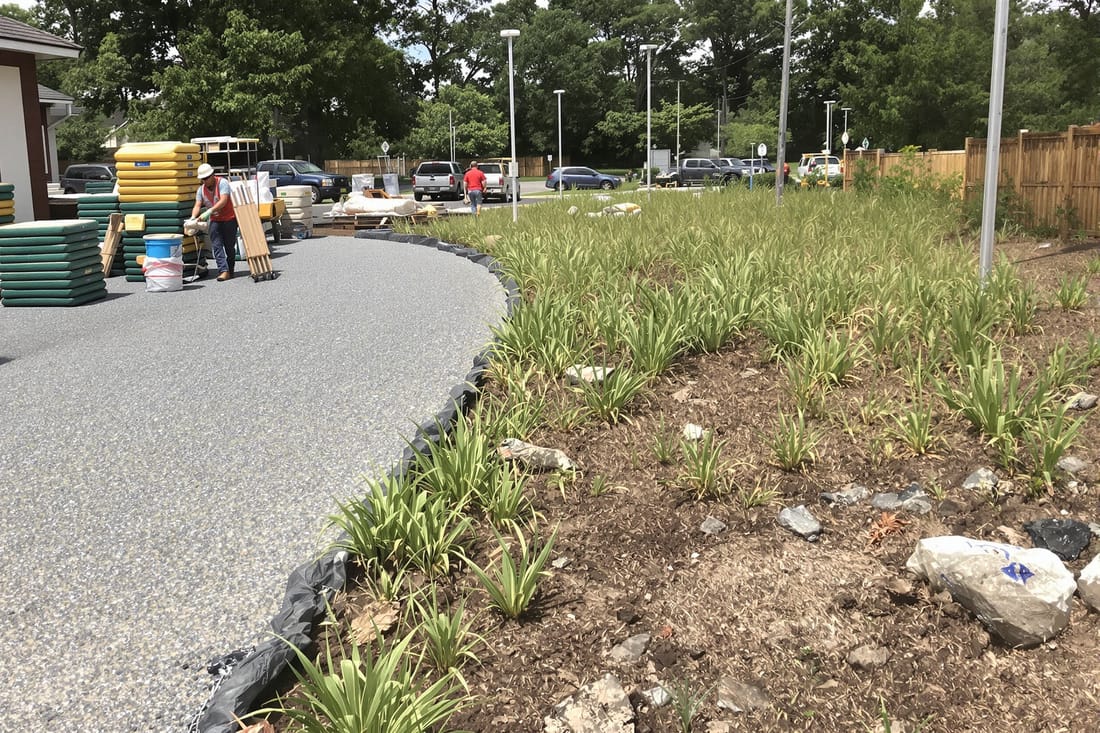
If your project involves restoring a native desert wash, stabilizing a disturbed drainage, or revegetating a low-lying wet area near Phoenix, native restoration hydroseeding is often the most reliable way to get plants established. At Legendary Hydroseeding Phoenix, we specialize in matching native seed mixes to the tough conditions around the Valley, from compacted construction sites in the city to riparian corridors along canals and dry riverbeds.
Our goal is not just to turn bare soil green. True restoration means reestablishing plant communities that belong in central Arizona. That might be a desert upland mix with saguaro nurse species and bunchgrasses, a riparian mix with cottonwood understory species and sedges in wetter pockets, or a stormwater basin blend designed to tolerate both monsoon flooding and long dry spells.
Some of the projects we handle include: utility and pipeline corridors that cross washes, detention and retention basins, reclaimed gravel pits, channel bank repairs after monsoon events, and native buffer areas around commercial developments. Phoenix area agencies, HOAs, and private landowners call us when they want native vegetation without a high-maintenance landscape.
Working in the Sonoran Desert means we also think long term. We plan for wind, extreme heat, seasonal flooding, and weed pressure from species like buffelgrass and fountain grass. Our hydroseeding process is built around these realities so that your native or wetland area has the best chance to succeed without constant replanting.
How Native Restoration Hydroseeding Actually Works
Native restoration hydroseeding starts with careful planning, not a standard seed mix. First, we walk the site and look at existing native vegetation, soil type, drainage patterns, and where water actually sits or flows during storms. In Phoenix that usually means identifying microzones: higher, dry shoulders; mid slopes that get short, intense flows; and low pockets that may hold water or receive runoff from parking lots and roofs.
From there we select seed mixes that match those microzones. For drier uplands we might use native grasses like Arizona cottontop, sideoats grama, and blue grama, along with wildflowers such as desert marigold to provide quick color and cover. For wetter swales or basins we may add species that handle periodic saturation, such as alkali sacaton, baltic rush, or native sedges. If your project has a regulatory planting list from the City of Phoenix or Maricopa County, we align our mixes to those requirements.
Once the mix is finalized, we prepare the soil. On most urban Phoenix sites that means decompacting construction traffic areas with ripping or deep scarification, then rough-grading to create small pockets where seed and mulch can lodge instead of washing straight off in the first monsoon storm. We also remove or treat established invasive weeds before hydroseeding, because they will outcompete young native plants.
The hydroseeding slurry itself is a blend of seed, water, mulch fibers, tackifier, and sometimes a small amount of organic soil amendment. For dry native slopes we often use a heavier wood fiber mulch (2,000 to 3,500 pounds per acre) because it holds more moisture and resists wind. On wetter, lower areas or near open water we may adjust the tackifier type so it is both effective and environmentally appropriate. The mixture is sprayed using a hose from our hydroseeding rig so we can reach steep banks, riprap gaps, and irregular contours without disturbing the soil again.
After application, we document what was installed and where, so you have a record to share with inspectors or stakeholders. We also provide a watering and monitoring plan tailored to your project so you know what to expect in the first one to three growing seasons.
Special Considerations for Wetland and Riparian Features in Phoenix
Wetland restoration in the Phoenix area is different from wetter parts of the country because many of our so called wetlands are actually engineered features: reclaimed water ponds, stormwater basins, constructed wetlands for treatment, or restored segments of dry river channels that only flow during storms or releases. Legendary Hydroseeding Phoenix works within these constraints and still aims to create plant communities that resemble natural riparian systems.
For riparian corridors and low channels, the key is elevation relative to typical water levels. We break the area into zones: a lower wet zone that may flood or stay damp after storms, a middle bank zone, and an upper terrace. Each zone gets a slightly different seed mix. The lowest zone might include more rushes and sedges and flood tolerant grasses. The middle zone focuses on deep rooted grasses and forbs that help knit the banks together and handle repeated scouring. The upper zone usually mirrors desert riparian transition vegetation, with species that can survive long dry periods but still benefit from occasional overbank flow.
Around reclaimed water ponds or treatment wetlands, we pay attention to fluctuating water levels and potential nutrient loads. Seed must be placed where it will not sit underwater for extended periods before germinating. In those situations, we sometimes combine hydroseeding on upper slopes with hand planting of plugs or container plants closer to the water line, so the hydroseeding supports and fills in around more established plantings.
Erosion control is another major consideration in our climate. Monsoon storms can undo a poorly planned restoration in a single event. We often pair native restoration hydroseeding with tools like biodegradable erosion control blankets on steeper slopes, rock check structures in drainage paths, or straw wattles anchored along contour lines. The hydroseed binds to and grows through these materials, creating a reinforced vegetated surface that is much more durable over time.
Because many wetland and riparian projects are tied to permits or mitigation requirements, we are familiar with performance standards often used in central Arizona such as required percent cover within a set number of growing seasons. We structure our seed densities, mulch rates, and follow up recommendations so you have a realistic path to meeting those standards.
Costs, Timeline, and What Drives Your Investment
Native restoration hydroseeding is usually more cost effective than hand seeding or full container planting, but pricing is highly site specific. At Legendary Hydroseeding Phoenix, we look at several main factors when estimating a project:
1. Site size and access. Large, open sites where we can park the truck close to the work area are more efficient. Steep banks, narrow easements, or long hose runs add time and labor.
2. Slope and erosion risk. Slopes greater than 3:1, highly erodible soils, or areas within active drainage channels often require higher mulch rates or additional erosion control products. That raises material and labor costs but is usually cheaper than repairing washouts later.
3. Seed mix complexity. A simple desert grass mix costs less than a diverse multi zone riparian mix with many species, some of which may be specialty or limited availability. If your project requires locally collected or source identified seed, that will also affect pricing and lead time.
4. Site preparation needs. Existing invasive vegetation removal, heavy grading, or deep decompaction can add significantly to the budget. Sometimes we coordinate with your earthwork contractor so that we only handle the restoration specific preparation.
5. Water availability for establishment. Hydroseeding itself uses water during application, but the big cost consideration is how the site will be irrigated or supplemented during the first few months. If a temporary irrigation system must be installed for a large basin or corridor, that becomes a line item in the project budget.
Timing matters as much as cost. In Phoenix, our preferred windows for native restoration hydroseeding are late summer before monsoon moisture, or late fall for cool season germination and root growth. We can seed outside these windows, but the establishment period and watering needs will change. We help you weigh schedule pressures against plant survival so you are not paying twice for the same area.
Most native restoration hydroseeding projects move through these stages: consultation and site walk, mix design and proposal, scheduling around grading and utility work, hydroseeding day, and then a 12 to 36 month monitoring period where you or your consultant track cover and species composition. We stay available during that time to answer questions about what you are seeing on the ground.
What Phoenix Property Owners Should Know Before Hiring
Before you hire anyone for native restoration hydroseeding, it helps to be clear about your goals and constraints. Are you trying to meet permit requirements, reduce erosion into a canal, create habitat, or simply replace disturbed desert with something that looks natural and is easier to maintain than turf? When you call Legendary Hydroseeding Phoenix, we ask these questions up front so the plan fits your priorities.
Check that your contractor understands Sonoran Desert ecology, not just hydroseeding equipment. Ask what native species they recommend for your specific soil and drainage conditions, and why. A one size fits all seed mix is a red flag. You should also ask how they will handle unplanned events, like a major dust storm right after seeding or a heavy monsoon rain that ruts the surface.
Water planning is another critical topic. Native plants are drought adapted once established, but they still need moisture to germinate. On many Phoenix projects we design a simple temporary irrigation plan that can be removed after the first or second growing season. On small residential or HOA sites, this might be as simple as adjusting existing drip or sprinkler zones to support the seeded areas. On larger commercial or municipal projects, it may require temporary overhead or portable hose setups.
Finally, understand that native and wetland restoration is a process, not an instant landscape. You should expect bare patches early on, a flush of annuals in the first year, and gradual increase in perennial cover over several seasons. We set realistic expectations and can help you distinguish between normal succession and true failure that may need spot reseeding.
When you work with Legendary Hydroseeding Phoenix, you get a team that focuses on performance over appearances on day one. We design, install, and support native restoration hydroseeding projects with the specific challenges of Phoenix and central Arizona in mind, so your site can move from disturbed ground back toward a functioning desert or riparian system with as few surprises as possible.