Home › Stormwater Management Facility Hydroseeding
We perform stormwater facility hydroseeding in Phoenix, AZ for bio retention basins, infiltration areas, and drainage channels. Our mixes and methods provide stable, maintainable vegetation that protects soil and supports design infiltration goals.
Legendary Hydroseeding Phoenix provides professional stormwater facility hydroseeding throughout Phoenix, AZ, Arizona and the surrounding area. Our licensed, insured crew delivers safe, clean, on-time work with a free estimate before anything begins. Call 623-323-4586 or request your free quote.
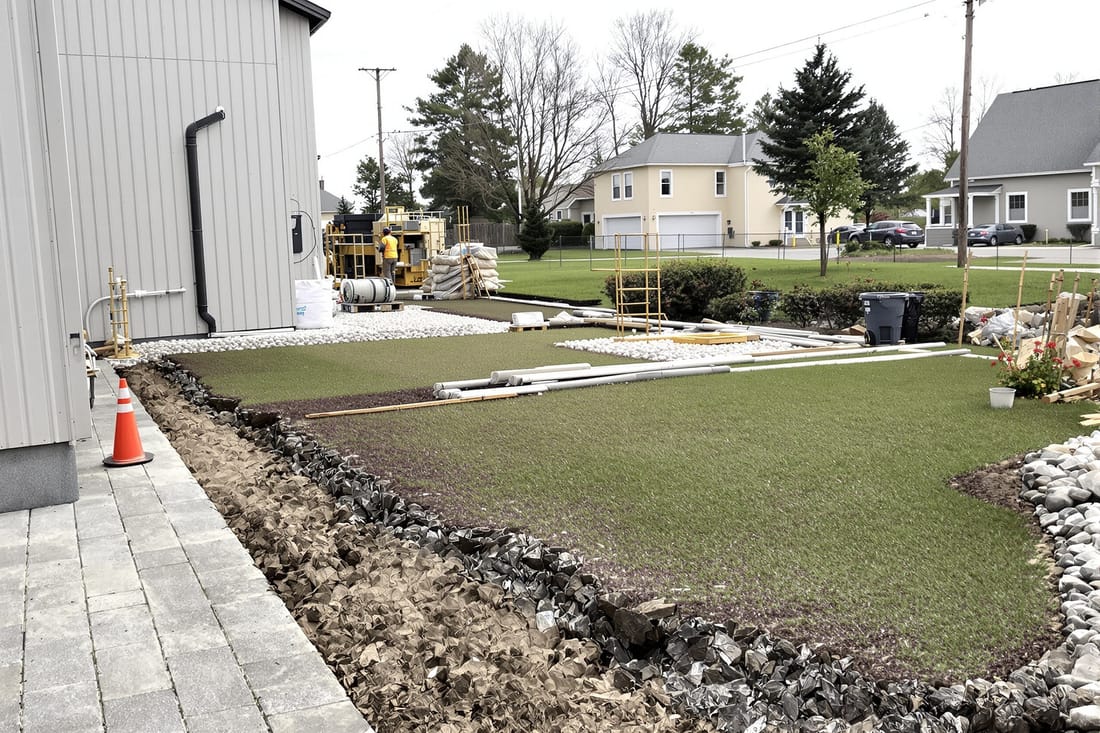
Hydroseeding for Stormwater Facilities in the Phoenix Desert Climate
Stormwater facility hydroseeding in Phoenix is not the same as seeding a lawn. Basins, channels, retention ponds, and drainage swales are built to slow, spread, and soak up stormwater. They must handle intense monsoon bursts, long dry periods, and highly alkaline desert soils. At Legendary Hydroseeding Phoenix, our work focuses on stabilizing these engineered areas so they function properly, pass inspections, and blend into the surrounding landscape.
Hydroseeding uses a pressurized truck to spray a slurry of seed, mulch, water, and soil amendments across the interior slopes and bottoms of your stormwater facility. This creates a temporary protective layer while seeds germinate and roots knit the soil together. The result is vegetation that resists erosion, filters sediment and pollutants, and helps you meet city or county stormwater requirements.
Because Phoenix has very hot summers and mild winters, timing and product choice are critical. We schedule most stormwater facility hydroseeding projects for late fall through early spring so seedlings can establish before extreme heat. When a project must be done in summer, we adjust seed mixes, mulch thickness, and watering schedules to give vegetation the best chance to survive.
How Our Stormwater Facility Hydroseeding Process Works
Every facility is different, so we start by walking the site with you or your contractor. We look at slopes, soil type, existing erosion, the way water actually flows during storms, and any access challenges for our hydroseeding equipment. If you have construction plans or an approved drainage report, we review that as well so our work lines up with your design and any municipal requirements.
The next step is surface preparation. For new facilities, this usually means final grading and compacting to the engineer’s specifications, then removing large rocks and construction debris. For existing basins or channels, we may need to scarify crusted surfaces, fill minor rills, and repair washouts so the seed has good soil contact. In some cases we recommend a thin layer of screened topsoil in high visibility or highly compacted areas.
Once preparation is complete, we load our hydroseeder with a custom blend of seed (usually a mix of native grasses and desert-adapted plants), paper or wood fiber mulch, tackifier, and any needed soil amendments like gypsum or organic matter. The slurry is mixed to a specific consistency so it will cling to steep slopes and evenly cover flat bottoms. Our crew then applies it in overlapping passes, starting at the top of slopes and working down so there are no bare streaks.
After application, we walk the site again to verify coverage, especially on interior corners, behind headwalls, and around inlets and outlets where erosion is most likely to begin. If your project requires it, we can provide application maps and basic documentation for your records or for municipal inspectors.
Seed Mixes, Mulch Options, and Design Choices for Phoenix Facilities
A big part of successful stormwater facility hydroseeding is choosing the right vegetation. In Phoenix, we typically recommend a base of deep-rooted, drought-tolerant grasses such as alkali sacaton, Arizona cottontop, and other desert-compatible species. For detention basins that may hold water briefly, we can adjust the mix so the bottom can handle occasional saturation while the upper banks tolerate heat and drought.
If your facility is in a residential or commercial development and aesthetics matter, we can incorporate select native wildflowers or low-growing shrubs in non-critical areas. Where maintenance budgets are tight, we focus on hardy grasses that require minimal irrigation once established. For facilities subject to strict stormwater permits, we prioritize species that provide dense ground coverage and strong root systems over ornamental appearance.
Mulch type also matters. Paper mulch is economical and works well in flatter basin bottoms. Wood fiber mulch provides stronger erosion protection and is usually our choice on interior side slopes and around inlets and outlets. In areas that see concentrated flows, we may combine hydroseeding with erosion control blankets or rock armoring to protect the soil while planting still proceeds.
We also evaluate soil chemistry, particularly in areas with highly alkaline or compacted subsoils common in new Phoenix subdivisions. Adding gypsum, organic matter, or a soil conditioner to the hydroseed mix can improve water infiltration and root development. These design decisions are made with your long-term maintenance plan in mind so you are not locked into constant rework or high water use.
Costs, Scheduling, and What Affects Your Hydroseeding Price
Stormwater facility hydroseeding costs in Phoenix are driven by more than just acreage. When Legendary Hydroseeding Phoenix prepares a proposal, we look at access, slope steepness, soil condition, and the complexity of the seed mix specified for your project. Facilities with long hose runs, limited truck access, or very steep side slopes require more time and material, which increases the investment.
Custom native seed blends are another cost factor. Basic erosion control mixes with common grasses are more economical, while highly specialized native or pollinator mixes are more expensive due to seed cost and availability. For projects with strict compliance requirements, we itemize the seed mix so you understand exactly what is being installed.
Timing also plays a role. The best windows for stormwater facility hydroseeding in Phoenix are typically October through early April. During these months, cooler temperatures and more favorable soil moisture give seedlings a better chance to root before summer. If a project must be completed outside that window, we can still proceed, but we may recommend additional mulch, slightly higher seed rates, or more intensive temporary irrigation, all of which affect price.
To keep your budget on track, we encourage owners, contractors, and HOAs to involve us early, ideally when grading plans are nearing completion. This allows us to suggest minor adjustments to slopes or access that can reduce hydroseeding costs without affecting drainage performance.
Dealing With Common Issues in Phoenix Stormwater Facilities
Stormwater facilities in the Phoenix area face three main challenges: intense, short-duration rains, long dry spells, and construction impacts. If hydroseeding is done too early, before heavy equipment is off-site, tire ruts and grading changes can destroy new vegetation. Legendary Hydroseeding Phoenix coordinates closely with your superintendent or property manager to schedule application after heavy work is finished but early enough to meet your turnover or inspection deadlines.
Another common issue is uneven germination. In Phoenix, shaded areas, north-facing slopes, and spots near active irrigation often green up first, while exposed south-facing banks lag behind. We plan for this by adjusting mulch rates on harsher slopes, recommending targeted supplemental water where feasible, and, when needed, scheduling spot touch-ups after the first growing cycle.
We also pay special attention to inlets, outlets, and flow lines. These areas tend to concentrate water and can scour if left unprotected. Depending on your design, we may reinforce them with additional mulch, tackifier, or companion measures like rock riprap or turf reinforcement mats while still hydroseeding to establish vegetation between and around hard armor.
We explain realistic expectations up front. Hydroseeded stormwater facilities do not look finished overnight. In the Phoenix climate, you can typically expect visible green coverage within 2 to 6 weeks during the main planting seasons, with full functional coverage taking a full growing season or more. Our goal is to minimize callbacks by designing the initial application to handle the most likely stress points from day one.
What Phoenix Owners, HOAs, and Contractors Should Know Before Hiring
Before you hire anyone for stormwater facility hydroseeding, confirm they understand local codes and desert conditions, not just how to operate a hydroseeder. Ask whether they regularly work with retention and detention basins, drainage channels, and other engineered stormwater features in Maricopa County. Legendary Hydroseeding Phoenix has experience coordinating with city inspectors, civil engineers, and large general contractors so the vegetation plan supports your drainage design and compliance requirements.
You should also ask how the contractor handles water access. Hydroseeding uses a significant amount of water at the time of application. We can often connect to on-site water sources with your permission, or we can arrange water delivery if needed. For establishment watering after application, we will review what irrigation is available, whether temporary hose bibs or permanent systems, and offer a realistic watering schedule if you choose to irrigate.
Maintenance expectations are another key decision point. Some owners prefer a very natural look with minimal mowing, while others want a cleaner appearance with defined edges around paths and property lines. We tailor seed mixes and density to match your long-term plan so your stormwater facility is easier to care for and less likely to be disturbed by heavy maintenance equipment.
If you would like to discuss a specific detention or retention basin, channel, or other stormwater structure in Phoenix, we can review your plans or visit the site, then outline a hydroseeding approach that fits your schedule, budget, and regulatory needs. Our focus is to give you a stabilized, functional facility that stands up to Phoenix weather and satisfies both inspectors and neighbors.