Home › Pipeline and Utility Corridor Hydroseeding
We perform pipeline hydroseeding in Phoenix, AZ along utility corridors, rights of way, and transmission lines. Our crews mobilize along long linear projects to quickly revegetate disturbed ground, minimize erosion, and help meet restoration requirements.
Legendary Hydroseeding Phoenix provides professional pipeline hydroseeding throughout Phoenix, AZ, Arizona and the surrounding area. Our licensed, insured crew delivers safe, clean, on-time work with a free estimate before anything begins. Call 623-323-4586 or request your free quote.
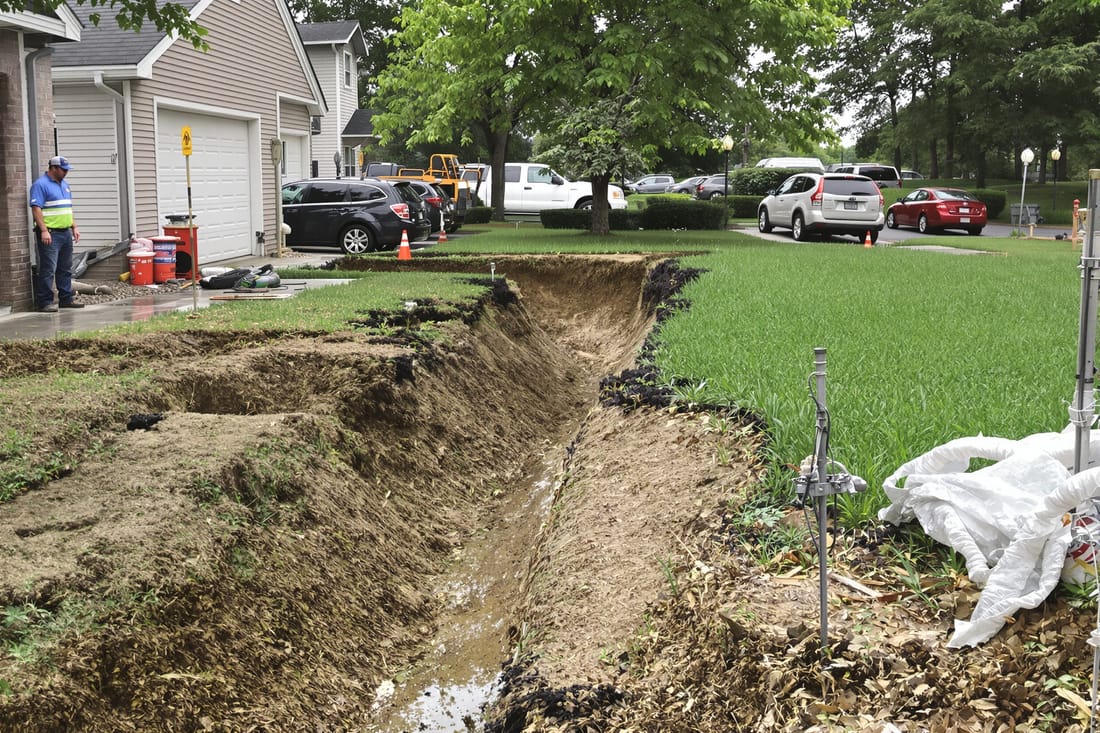
Pipeline Hydroseeding for Phoenix Rights-of-Way
Pipeline and utility corridor hydroseeding is very different from seeding a yard. You are stabilizing long, narrow strips of disturbed soil that often cross steep slopes, washes, access roads, and sensitive desert habitat. Legendary Hydroseeding Phoenix focuses specifically on these linear projects in and around Phoenix, so we understand the engineering, environmental, and schedule pressures that come with them.
On pipeline jobs, our work usually begins months before the hydroseeder ever rolls onto the right-of-way. We review plans, construction schedules, and any agency or utility company specifications for seed mix, mulch type, and erosion control requirements. In Maricopa County that often means aligning with ADOT, city, or federal guidelines while still selecting plant species and products that can survive our heat, low humidity, and intense monsoon storms.
Our goal is simple: get fast, reliable cover on disturbed areas so the line can be inspected and maintained safely, erosion is controlled, and permit conditions are met. We tailor the hydroseeding approach to each segment of the alignment, whether it crosses compacted caliche, highly erodible sandy washes, or imported fill along access roads.
How Pipeline and Utility Corridor Hydroseeding Works
On a typical pipeline hydroseeding project in Phoenix, we work in close coordination with the pipeline or utility contractor. As segments of the trench are backfilled and rough graded, our crew follows behind to complete final preparation and apply the slurry. This sequencing keeps restoration closely tied to construction so disturbed ground is not left bare through the windy spring or the monsoon.
First, we evaluate the soil. Utility corridors often have mixed materials: native desert soil, trench spoils, road base, and imported fill. We test texture and infiltration and look for issues like hydrophobic crusts or excessively compacted surfaces. Where needed, we recommend light ripping or scarification and the incorporation of soil amendments so water can actually penetrate and seed can germinate.
Next, we design the specific hydroseeding blend for each section. For Phoenix corridors this often includes desert-adapted native grasses and forbs, sometimes combined with quick-cover nurse species that establish faster and then thin out over time. If the alignment has visibility or aesthetic requirements, for example where it parallels a roadway or residential area, we can adjust the mix to create a more uniform and visually pleasing stand.
Finally, we mobilize the hydroseeding equipment. For long linear runs with good access we use truck-mounted hydroseeders. In tighter areas or sensitive desert crossings we may use smaller units, extended hose runs, or a combination of hydroseeding and erosion blanket installation. Every pass is overlapped carefully to avoid skips, which are common on long straight corridors if the operator is not experienced.
Materials and Techniques Chosen for Phoenix Conditions
Phoenix pipeline and corridor projects face two big challenges: high heat with very low humidity for much of the year, and occasional violent rain events during monsoon season. The materials and techniques Legendary Hydroseeding Phoenix selects are driven by those realities rather than generic national standards.
Hydraulic mulch types are chosen to match slope and exposure. On gentle cross-country segments we may use a premium wood fiber or blended mulch that holds moisture and protects seed during germination. On steeper side slopes, drainage channels, or areas with concentrated flow, we typically upgrade to a bonded fiber matrix or a heavier, tackified mulch system that forms a more durable erosion-resistant mat.
Binders and tackifiers are adjusted for the type of soil along the pipeline. On dusty, loose cuts with high wind exposure, we increase tackifier rates to reduce mulch movement. Along compacted access roads where sheet flow can be an issue, we often combine hydroseeding with straw or coconut erosion control blankets or turf reinforcement mats, anchoring them properly at upslope and downslope edges.
Seed mix choices are always localized. We account for elevation changes between the central Phoenix basin, the higher ground toward New River or Buckeye, and cooler microclimates near the river corridors. Where regulatory agencies require specific native seed lists, we source from local growers when possible to maintain genetic suitability, which greatly improves establishment and long term resilience.
Planning, Access, and Logistics Along the Right-of-Way
Utility corridor work is as much about logistics as it is about seeding. Long, narrow easements often run through remote desert, cross private land, and intersect major roadways and drainage features. Legendary Hydroseeding Phoenix spends significant time on planning so crews and equipment can move efficiently and safely.
We map out water sources, staging areas, and access points in detail before mobilizing. In Phoenix, that can mean coordinating fill points in areas with limited hydrant availability or trucking water from approved sources when necessary. On remote line segments we may pre-position water tenders or portable tanks to avoid long deadhead drives for the hydroseeder.
Access conditions are reviewed with the pipeline or utility contractor. Our team is used to driving on temporary construction roads, navigating wash crossings, and working around active crews. We clarify weight limits, turning areas, and environmental constraints so our trucks do not create new damage or get stuck in soft or sandy areas. In especially sensitive desert habitat, we can run extended hoses from existing roads so the hydroseeder does not have to enter the disturbance at all.
Schedule coordination is another critical step. Phoenix projects often face tight in-service dates or restoration deadlines tied to permits. We phase our work so that we capitalize on the best planting windows, particularly the late summer monsoon season and the milder fall when possible, while still meeting construction milestones.
Costs, Challenges, and How We Solve Problems
Pipeline hydroseeding costs are driven by several factors: length and width of the corridor, slope conditions, access difficulty, seed and mulch specifications, and timing. Legendary Hydroseeding Phoenix provides line-item estimates so you can see how each element of the restoration affects the budget instead of a single lump sum that is hard to evaluate.
Long, continuous runs with good access are the most cost-effective. Costs rise when we must make multiple mobilizations, deal with constrained access requiring long hose runs, or use high-specification mulches and erosion control products on steep or sensitive segments. Seed mixes that include rare or hard-to-source natives can also influence price. We help owners and contractors balance performance requirements with practical cost control by suggesting alternates that still meet regulatory and functional needs.
Common problems on Phoenix corridors include crusted soils that shed water, high weed pressure on disturbed shoulders, and erosion at road or wash crossings. To address crusting, we may add soil conditioners or recommend pre-watering and mechanical scarification. For weed issues, we can plan timing and maintenance recommendations that favor the desired native species, including suggestions for selective mowing and early interventions.
Erosion at transitions and crossings is often where projects fail inspections. We pay special attention to those areas, often detailing additional reinforcement such as rock checks, wattles, or higher-spec mulch at culvert outlets, road ditches, and wash crossings. After major storm events, we can perform targeted repairs instead of redoing entire segments, which keeps the project on schedule and within budget.
Compliance, Documentation, and Choosing a Local Partner
Pipeline and utility corridor projects in the Phoenix region are usually subject to very specific environmental and permit conditions. Legendary Hydroseeding Phoenix is accustomed to working within SWPPP, dust control, and revegetation requirements for city, county, state, and federal agencies. We document seed sources, application rates, and product data so that you have a complete record for inspections and closeout.
Our crews photograph key segments before and after hydroseeding and can provide simple as-built coverage maps if required. For owners and contractors, this means you have clear proof that the corridors have been treated in accordance with project documents, which is particularly important where bond release or final payment is tied to restoration.
Choosing a local hydroseeding partner matters for long linear utilities because conditions can change dramatically along the alignment. Our on-the-ground Phoenix experience helps us adjust application rates, water strategies, and seed mixes in real time as we encounter different soils and microclimates, instead of blindly following a one-size-fits-all specification.
When you bring Legendary Hydroseeding Phoenix into your pipeline or utility corridor project early, we can help shape practical restoration plans that pass inspections, control erosion, and create stable, low-maintenance corridors that remain accessible for future maintenance and emergency work.