Home › Native Meadow and Wildflower Hydroseeding
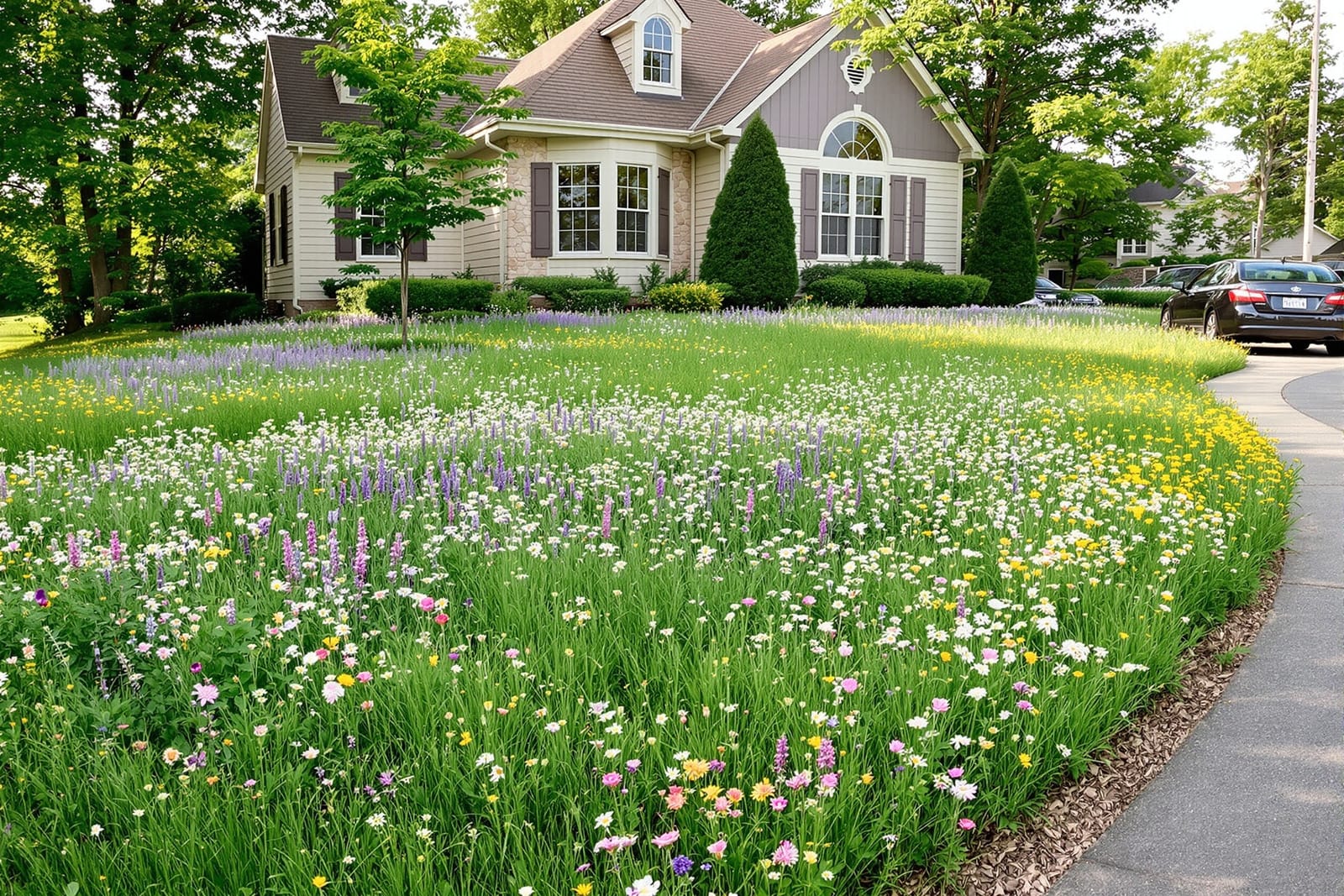
Our wildflower hydroseeding in Phoenix, AZ transforms bare or hard-to-mow spaces into vibrant native meadows. We use region-appropriate wildflower and grass blends that support pollinators, reduce maintenance, and add seasonal color to your property.
Legendary Hydroseeding Phoenix provides professional wildflower hydroseeding throughout Phoenix, AZ, Arizona and the surrounding area. Our licensed, insured crew delivers safe, clean, on-time work with a free estimate before anything begins. Call 623-323-4586 or request your free quote.
Wildflower hydroseeding that fits Phoenix, not Portland
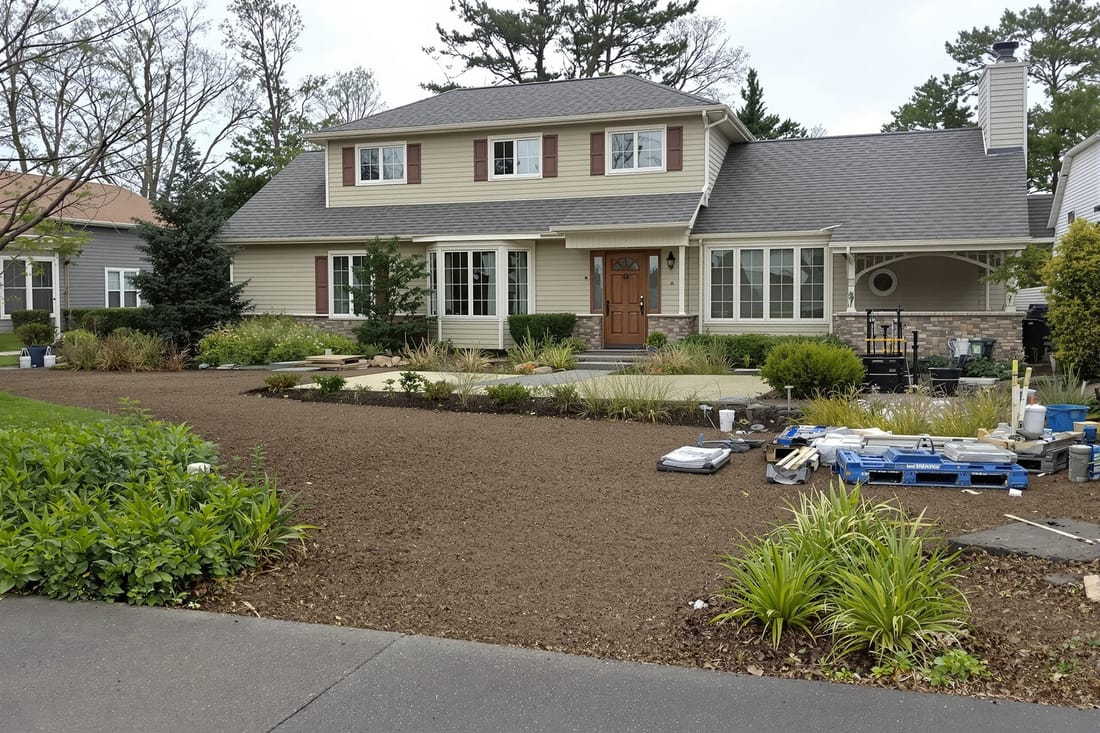
Native meadow and wildflower hydroseeding in Phoenix is not just tossing a wildflower mix into a hydroseeder and hoping for the best. Our desert climate, alkaline soils, and brutal summer sun mean you need the right seed blend, the right timing, and the right prep. Legendary Hydroseeding Phoenix focuses specifically on mixes that survive here, from low desert native wildflowers to drought tolerant grasses that hold the soil and make the flowers look full instead of patchy.
When we say wildflower hydroseeding, we mean a slurry that combines seed, cellulose or wood fiber mulch, tackifier (a glue-like binder to help it stick), and a starter fertilizer suited to desert soils. We lay it down under pressure so it wraps around minor soil contours and creates a light blanket that keeps seed in place. This approach gives much better coverage and germination than broadcasting seed by hand, especially on slopes and in windy parts of the Valley.
Phoenix property owners typically call us when they want color without installing a high water use lawn, or when they are trying to stabilize a bare area that is kicking up dust. We service home yards, HOA common areas, commercial frontages and large acreages on the outskirts. Every project starts with a walk of the property to talk through look, watering access, and how “natural” or tidy you want the finished meadow to be. That practical planning is what keeps these projects from turning into a patchy, disappointing mix of weeds and bare spots.
How native meadow and wildflower hydroseeding actually works
Our process at Legendary Hydroseeding Phoenix is built around the real conditions in Phoenix, not generic wildflower brochures. Here is what typically happens when we install a native meadow or wildflower project.
1) Site evaluation and soil check. We look at slope, existing vegetation, runoff patterns, shade and sun, and access for our truck or hose. In many Phoenix yards the soil has a hardpan crust or construction debris just under the surface. We probe a few spots so we know if ripping or deeper loosening is needed. For larger projects we can arrange basic soil tests to check salt levels and extreme pH.
2) Grading and weed control. A wildflower area still needs some basic grading so water does not pool and kill seedlings. We knock down high spots and fill low ones so water moves slowly across the area. If we see Bermuda grass, nutgrass, or buffelgrass, we will recommend a herbicide program or mechanical removal ahead of hydroseeding, because those species will overrun most native wildflowers. Often this means one or two weed treatments 10 to 21 days apart, timed before we schedule the slurry application.
3) Seed mix selection. We do not use a one-size-fits-all wildflower bag from a big box store. For Phoenix projects we combine Southwest-adapted annuals and perennials like desert marigold, Mexican gold poppy, arroyo lupine, desert bluebell, firewheel, and penstemons, plus native or adapted grasses such as blue grama, sideoats grama, or sand dropseed to fill between flowers and stabilize the soil. For HOA or commercial jobs we often design blends that avoid tall, messy summer growth and keep sight lines clear.
4) Hydroseeding application. We blend the chosen seed mix into a fiber mulch slurry with water, tackifier, and starter fertilizer. For slopes, we increase mulch and tackifier rates so the blanket sticks during monsoon storms. We spray the material in overlapping passes to achieve even coverage, adjusting nozzle type and pressure depending on wind and access. Around sidewalks and rock landscape borders we run a shield to avoid overspray.
5) Establishment plan. Hydroseeding is only half the job. We leave you with a Phoenix-specific watering and mowing or trimming plan. For properties with automatic irrigation we can help you program an establishment schedule. For places without irrigation we focus heavily on timing with seasonal rains and realistic expectations for coverage and density.
Seasonal timing, water, and design choices for Phoenix wildflower meadows
Choosing when and how to hydroseed wildflowers is critical in the Valley. At Legendary Hydroseeding Phoenix we schedule most native meadow and wildflower hydroseeding in two main windows. For classic spring bloom, the best time is fall, usually late September through mid November, when soil is still warm but daytime highs are easing off. For mixes that lean heavily on warm season grasses and summer bloomers, we often target late February through March.
If you have irrigation, your options open up because we can maintain consistent moisture during germination. Hydroseeded wildflowers generally need light, frequent watering at first, then a gradual shift to deeper, less frequent cycles. On many Phoenix clay or decomposed granite soils, that looks like 5 to 10 minute cycles, 2 to 3 times per day during the first 2 to 3 weeks, then slowly reducing the frequency as roots go deeper. We will tailor those numbers to your soil and system output.
For non-irrigated sites we are very candid. Wildflower hydroseeding without water can still work, but it relies heavily on catching fall or winter rains. We usually recommend a mix weighted toward hardy natives that tolerate dry spells, and we set expectations that coverage can be more open and natural looking rather than dense like a watered lawn. We also discuss the risk of a dry year, where germination is low and a second application might be needed.
Design-wise, Phoenix customers tend to fall into three groups. Some want full natural desert look, with native flowers and grasses blended into existing cacti and shrubs. Others want a defined meadow area with a clean border around decomposed granite or turf. A third group wants a pollinator-friendly mix focused on bees, butterflies, and hummingbirds, which means including more long-blooming perennials and staggering bloom times. We can mark out informal walking paths, leave lower-growing mixes along streets and driveways, and use taller species only away from buildings and sight lines.
Costs, common problems, and how we prevent them
Hydroseeding is usually more cost effective than installing flats of plants, but prices still vary. The cost of wildflower hydroseeding in Phoenix is driven mainly by total square footage, access for equipment, how much soil prep and weed control is needed, and the complexity of the seed mix. A simple native grass and wildflower blend on a clean, open yard will be at the low end. An area with slopes, compacted soil, existing Bermuda, and a multi-species custom blend will be higher.
One surprise cost for many Phoenix property owners is weed control. If a site has a strong seed bank of invasives like stinknet, sandbur, or puncturevine, we will recommend pre-plant weed treatments and sometimes a pre-emergent on surrounding non-planted areas to limit invasion. We do not use pre-emergent herbicides in the hydroseeded zone, since that would also block wildflower germination, but we can use physical barriers and careful mowing height to give desirable plants the advantage.
The most common problems we see after wildflower hydroseeding are uneven watering, foot traffic on new seedlings, and unrealistic mowing or maintenance choices. Uneven watering shows up as strong growth near certain heads and weak growth elsewhere. To prevent this, our team will review your irrigation head layout, note blind spots, and suggest head adjustments or temporary hoses and sprinklers. For high traffic areas like dog paths or kids’ play zones, we either pull those out of the meadow design or harden them with gravel or stepping stones so people have a natural place to walk.
On the maintenance side, many customers think they can mow wildflowers like a lawn. That usually kills bloom. Instead, we outline a simple cycle by mix type. Annual dominated mixes are typically left standing through bloom and then mowed low once seed has dropped, often in late May or June, depending on the season. Perennial heavy mixes may only need a light trim or selective cutting once a year to remove dead stalks. We also talk about how to overseed in future years if you want to refresh color without starting over.
The benefit of working with a company focused on Phoenix conditions is that we factor in dust control ordinances, HOA expectations on height and appearance, and the heat and water restrictions that shape what is practical long term. Our goal is a meadow or wildflower planting that you can afford to install and actually maintain in this climate.
What to expect when you hire Legendary Hydroseeding Phoenix
When you contact Legendary Hydroseeding Phoenix about wildflower hydroseeding, we start with a phone conversation to pinpoint your property type, water source, and what you want the area to look like in a year, not just in the first spring. From there we schedule an on site visit anywhere in the Phoenix metro, including neighboring cities like Glendale, Peoria, Scottsdale, Mesa, and Chandler.
During the visit, we measure the area, identify drainage patterns, inspect existing vegetation, and check access for our truck or long-hose setup. We discuss seed blend options on the spot. For example, if you live near the desert preserve and want a more native look, we will steer you toward Sonoran desert species. If you are in a dense subdivision with strict HOA height rules, we will recommend lower growing mixes with less summer height and a tidier edge.
Your written proposal will spell out the steps we plan to take: pre-hydroseed weed control if needed, grading or soil loosening, seed blend composition, mulch and tackifier rates, and an estimated schedule. We also attach an establishment guide specific to your project, which includes watering suggestions by week for the first month, then by month for the first year.
On application day, we prep the surface, knock down new weeds, lightly scarify the soil if needed, and then apply the slurry in a single, even pass. On slopes or high erosion areas we sometimes return for a second lighter pass to build mulch depth. You will see a green or dyed mulch blanket that gradually fades as the fiber breaks down.
After we are done, you will know exactly when to start watering, how long to keep people and pets off the area, when you should first mow (if at all), and what early weeds are normal in Phoenix and which ones should be pulled quickly. Our team is available to answer follow up questions during the first season, which is usually the most critical period for a native meadow or wildflower planting to take hold in the desert environment.