Home › Erosion Control Blankets and Matting (Commercial)
We install commercial erosion control blankets in Phoenix, AZ on high risk slopes, channels, and shorelines. Our team handles ECM and TRM layout, anchoring, and integration with hydroseeding to meet project specifications and inspection standards.
Legendary Hydroseeding Phoenix provides professional commercial erosion control blankets throughout Phoenix, AZ, Arizona and the surrounding area. Our licensed, insured crew delivers safe, clean, on-time work with a free estimate before anything begins. Call 623-323-4586 or request your free quote.
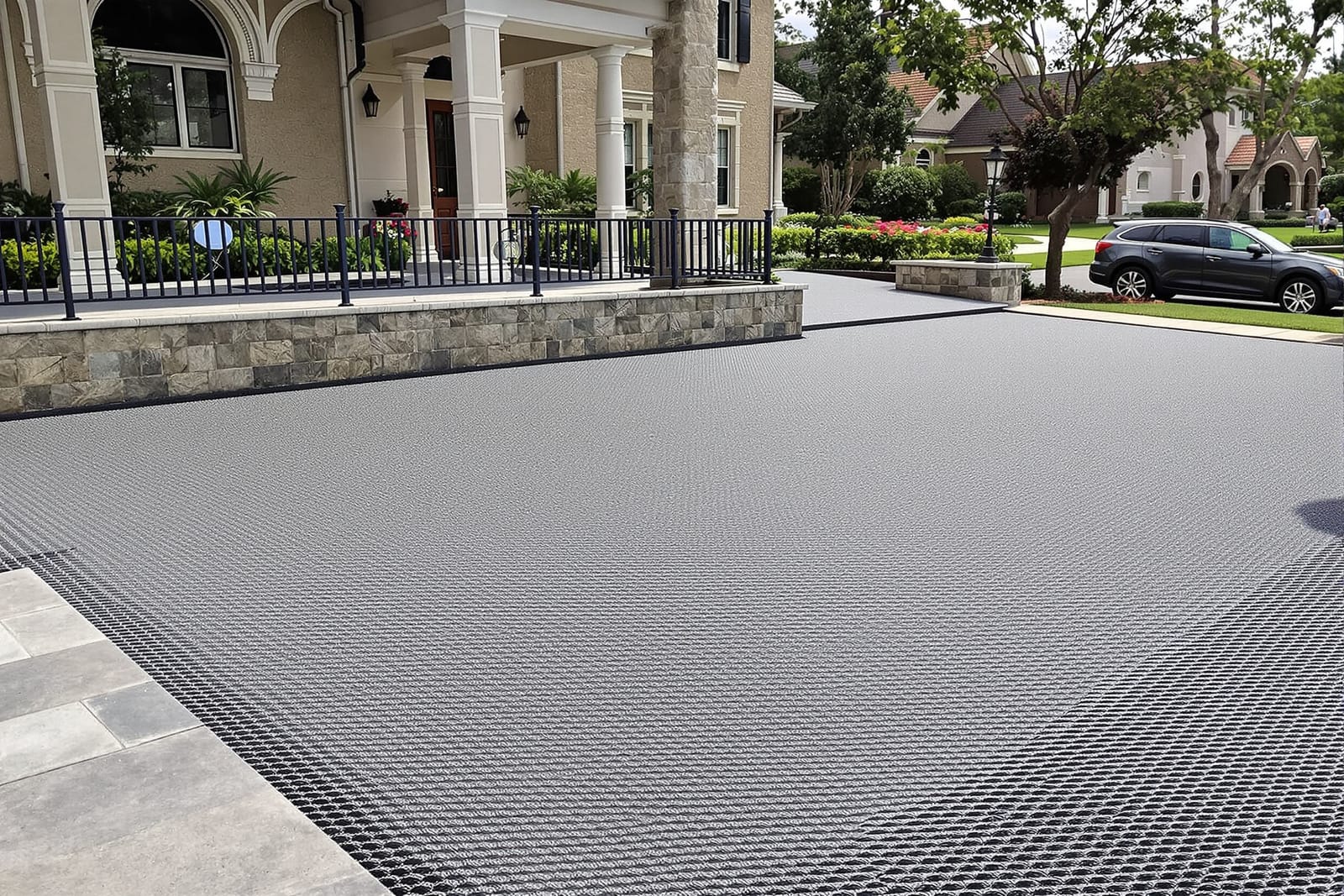
Commercial erosion control blankets for Phoenix slopes and job sites
Phoenix construction sites deal with a tricky mix of steep cuts, fragile desert soils, and sudden monsoon downpours. Commercial erosion control blankets and matting give your project a stable surface so new vegetation can take hold and stormwater stays where it belongs. Legendary Hydroseeding Phoenix focuses on engineered blanket systems that match our local conditions, not one-size-fits-all products pulled from a catalog.
On a typical commercial site, we use erosion control blankets to stabilize disturbed slopes, channels, detention basins, and stockpile areas. The blanket anchors the seed and soil in place so they are not washed or blown away, and it helps control surface runoff until roots are established. For Phoenix properties, we often pair blankets with drought tolerant seed blends and smart irrigation plans so you get long term control, not just a temporary bandage.
We routinely install commercial erosion control blankets on roadway embankments, commercial pads, solar fields, utility corridors, and large multifamily developments across the Valley. Our team looks at how your site will behave during a monsoon storm, not just under average weather. That local focus helps us choose the right blanket type, layout, and anchoring pattern for each project instead of guessing from a national spec sheet.
Types of erosion control blankets and matting we recommend in Phoenix
Legendary Hydroseeding Phoenix uses a range of commercial erosion control blankets, each chosen for specific site conditions, soil types, and maintenance expectations.
For short term control on mild slopes and low flow areas, we may use single net straw blankets or straw and coconut blends. These are useful for commercial pads, gentle embankments, and areas that will be landscaped or hardscaped later. They hold seed and mulch in place for one growing season, then gradually break down.
On steeper slopes, drainage swales, and channel banks, we often specify double net straw or high content coconut blankets. Coconut fiber has stronger tensile strength and decomposes more slowly than straw, so it handles the intense flows that come with Phoenix monsoon storms. These blankets suit highway slopes, detention basin sidewalls, and energy or utility sites where long term stabilization is critical.
For very high risk zones, such as outfall areas, steep cut slopes in decomposed granite, or channels with concentrated flow, we can design systems that combine turf reinforcement matting (TRM) with hydraulically applied mulch or hydroseed. In these applications the mat provides permanent reinforcement and the vegetation becomes an integrated part of the erosion control system.
We also pay close attention to fiber density and net material. In hotter inner city locations with strong UV exposure, we avoid light duty products that degrade too quickly. Where wildlife interaction is a concern, we can specify biodegradable netting to reduce entanglement risks. The goal is always to match product lifespan and performance level to the actual risk on your Phoenix site.
Our step by step installation process for commercial erosion control blankets
A reliable blanket system comes from careful preparation and installation, not just the product choice. Legendary Hydroseeding Phoenix uses a structured process on every commercial erosion control blankets project so your slopes and channels hold up through multiple seasons.
First we walk the site with your superintendent or project manager, reviewing grading plans, drainage paths, and any critical protection areas that inspectors are focused on. We identify slope breaks, inlets, outlets, and transitions where water is likely to concentrate. These areas usually need tighter anchor spacing or heavier duty matting.
Next we prepare the soil surface. That includes fine grading to remove ruts and clods, trimming out gullies, and compacting to the level specified in your plans. We check for rocks or construction debris that could lift the blanket, tear it, or create voids underneath. If seeding is part of the scope, we broadcast or hydroseed before placing the blanket, and we often incorporate a tackifier or mulch layer to help lock everything together.
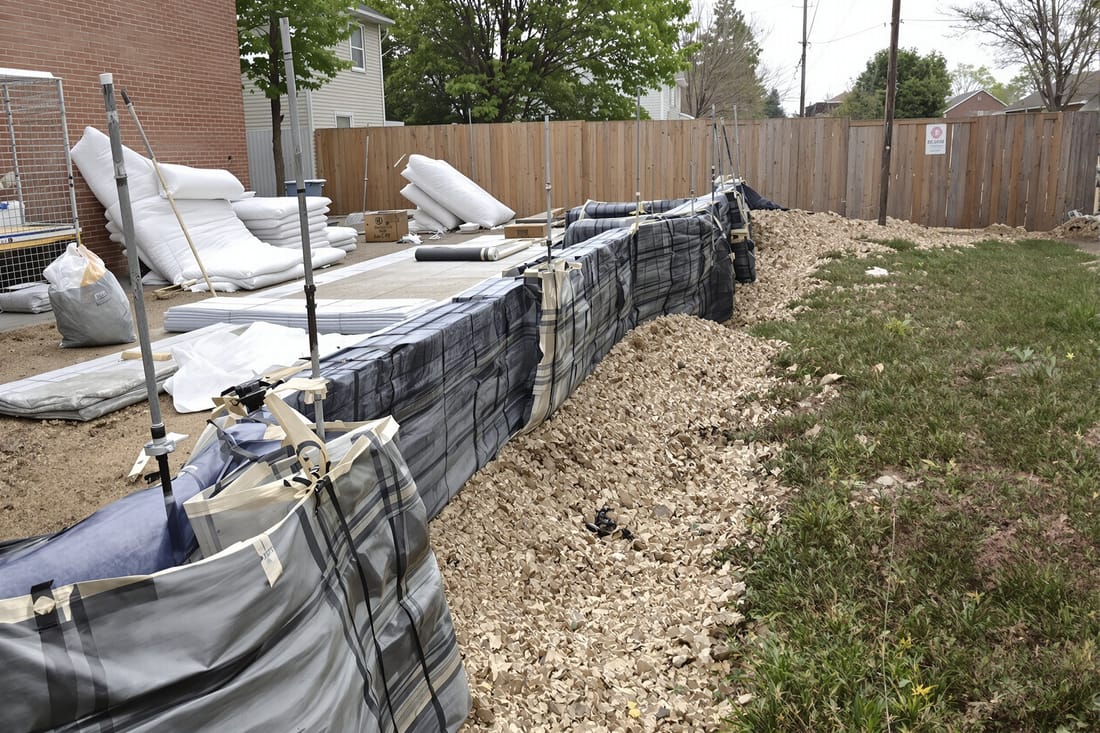
We then roll out the commercial erosion control blankets parallel to the direction of flow on slopes or channels. We overlap edges and roll ends according to manufacturer specs and project requirements, usually 4 to 6 inches on the sides and 6 to 12 inches at roll ends. At the top of slopes we cut and bury an anchor trench, then backfill and compact to prevent water from getting underneath the blanket and undermining the whole system.
Finally, we anchor the blanket using staples or pins with spacing based on slope angle, soil type, wind exposure, and flow risk. In Phoenix, we often increase staple density near the top of slopes and around inlets where wind gusts and concentrated flow can cause failures. After installation, we walk the entire area to check for bridging, loose edges, or missed overlaps, then address any issues immediately before the next storm has a chance to test the system.
What affects the cost of commercial erosion control blankets in Phoenix
Budgeting for erosion control blankets and matting is easier when you know what drives cost. Legendary Hydroseeding Phoenix is transparent about these factors so you can plan your project and avoid surprise change orders.
The first major cost driver is blanket type and performance rating. Light duty straw blankets for low risk slopes are more economical, while high coconut content blankets, turf reinforcement mats, and specialized channel linings cost more per square yard. We match the product to the required level of protection so you are not overbuilding low risk areas or underprotecting critical slopes.
Site conditions come next. Steep slopes, difficult access, rock outcrops, and tight working areas increase installation time and anchor requirements. Phoenix projects that require night or weekend work to avoid extreme heat, or coordination around active utilities and traffic control, can also affect labor costs. We factor in realistic production rates based on your site constraints, then present that clearly in our proposal.
Quantity and layout matter as well. Larger continuous slopes with good access often result in a lower unit cost because our crew can work efficiently. Fragmented areas, separate pads scattered across a big site, or lots of intricate hand cutting around structures and riprap increase installation time. We can sometimes reduce your overall cost by suggesting a different layout or combining small areas into more continuous blanket zones.
Finally, integration with seeding or hydroseeding impacts the budget. If Legendary Hydroseeding Phoenix handles both erosion control blankets and hydroseeding, we can streamline mobilization, water use, and equipment, which often lowers the combined cost compared to using two separate contractors. We are happy to price blankets alone or a full vegetation and erosion control package so you can compare options.
Local challenges we design for in the Phoenix area
Erosion control in Phoenix is not the same as in cooler or wetter regions. Our combinations of extremely hot summers, sparse rainfall, and sudden, intense monsoon storms create unique stresses on both blankets and vegetation. Legendary Hydroseeding Phoenix designs commercial erosion control blankets systems specifically for these conditions.
The first challenge is the extended dry period. Seed under a blanket still needs enough moisture to germinate and root, or the blanket ends up protecting bare soil instead of a growing cover. We often coordinate with your irrigation contractor or civil engineer to plan temporary or permanent irrigation that works with the blanket placement. Even simple temporary water truck rotations, timed correctly, can make a big difference for slope stabilization.
The second local issue is soil type. Many Phoenix sites sit on decomposed granite, caliche, or highly compacted fill, all of which can shed water instead of absorbing it. If we see hardpan layers that may cause runoff to accelerate, we adjust our blanket specification and anchor patterns, and we may recommend soil amendments or roughening techniques to improve infiltration.
Wind and dust are another concern. Before monsoon season, high winds can get under improperly anchored blankets and lift them, or deposit dust that buries seed unevenly. We address this with tighter staple patterns in exposed areas, careful top of slope trenching, and attention to overlaps in prevailing wind directions.
Because we work across Phoenix, Scottsdale, Mesa, Glendale, and surrounding communities, we have real field experience with how different blanket products hold up over multiple seasons here. We use that history when advising which systems are likely to succeed on your specific site, rather than relying only on lab test data from other climates.
What to know before hiring a commercial erosion control blankets installer
Choosing a contractor for commercial erosion control blankets and matting is about more than getting a low number on bid day. Legendary Hydroseeding Phoenix encourages property owners, GCs, and civil engineers to ask a few direct questions before awarding the work.
Ask how the contractor plans to handle top of slope terminations, transitions into riprap or concrete, and protection around inlets and outlets. These detail areas are where most failures occur. A good installer will describe their anchor trench details, overlap strategy, and any special edge treatments they use for high risk points.
Request information on actual projects in the Phoenix area that used similar blankets and slopes, and find out how those systems performed through at least one monsoon season. Local references are far more valuable than photos from other states with different climate conditions.
Confirm how inspection and repairs will be handled. Commercial erosion control blankets can be damaged by other trades, wildlife, or unexpected storm events. Our crews can provide post storm walkthroughs, photo documentation, and prompt repair services so you stay in compliance with city or county requirements and your SWPPP.
Finally, discuss coordination with your overall stabilization plan. The best results come when blankets, seeding or hydroseeding, irrigation, and drainage features are planned as one system. Legendary Hydroseeding Phoenix can review your grading and landscape plans, then help sequence erosion control work so that blankets are installed at the right time, on properly prepared soil, with realistic expectations about vegetation establishment in Phoenix conditions.