Home › Slope, Embankment, and Retention Pond Hydroseeding
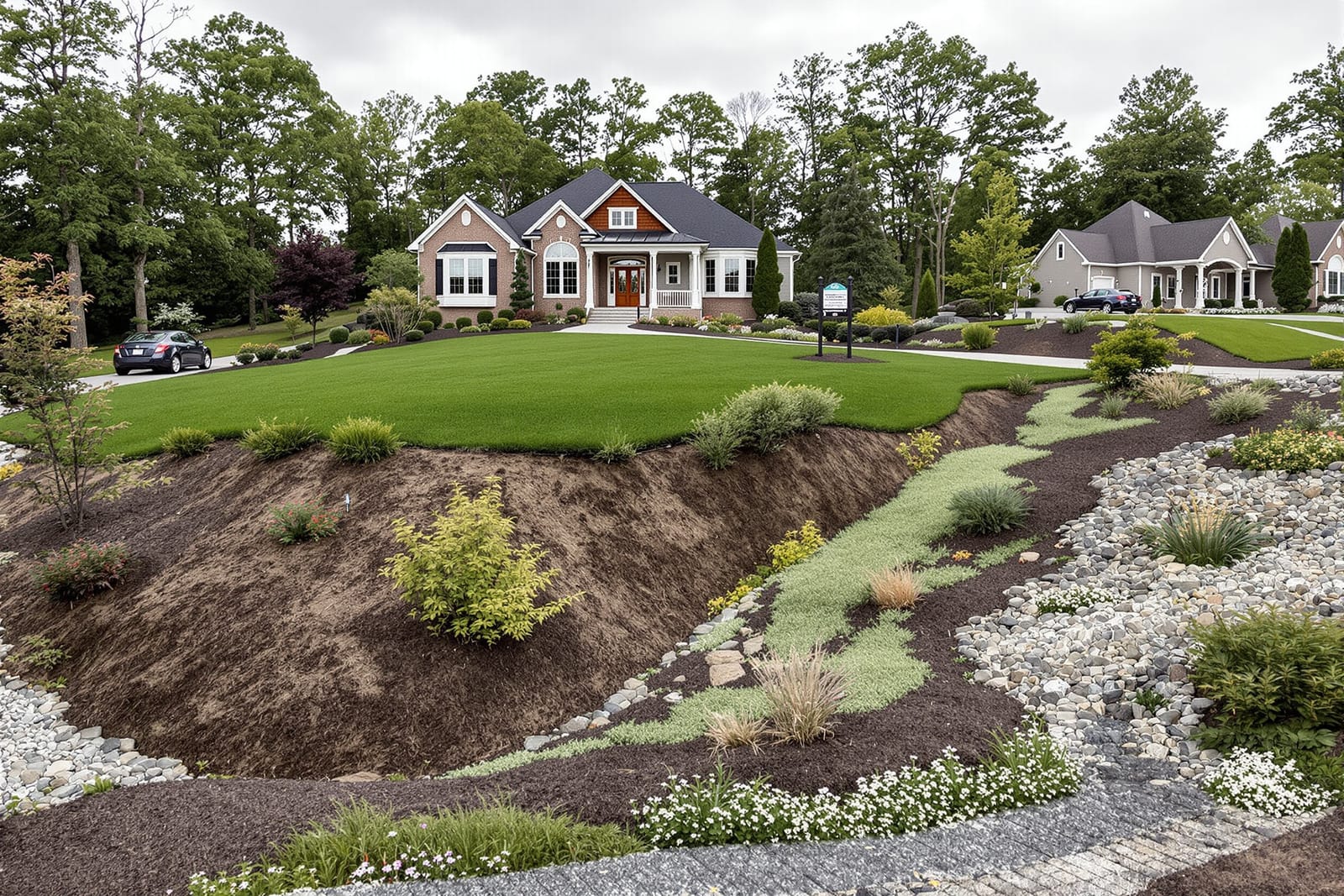
We provide commercial slope hydroseeding in Phoenix, AZ for embankments, detention basins, and drainage channels. Our erosion resistant seed and mulch combinations are tailored to slope angles, soil types, and expected flows to help protect infrastructure and water quality.
Legendary Hydroseeding Phoenix provides professional commercial slope hydroseeding throughout Phoenix, AZ, Arizona and the surrounding area. Our licensed, insured crew delivers safe, clean, on-time work with a free estimate before anything begins. Call 623-323-4586 or request your free quote.
Stabilizing Slopes and Embankments the Right Way in Phoenix
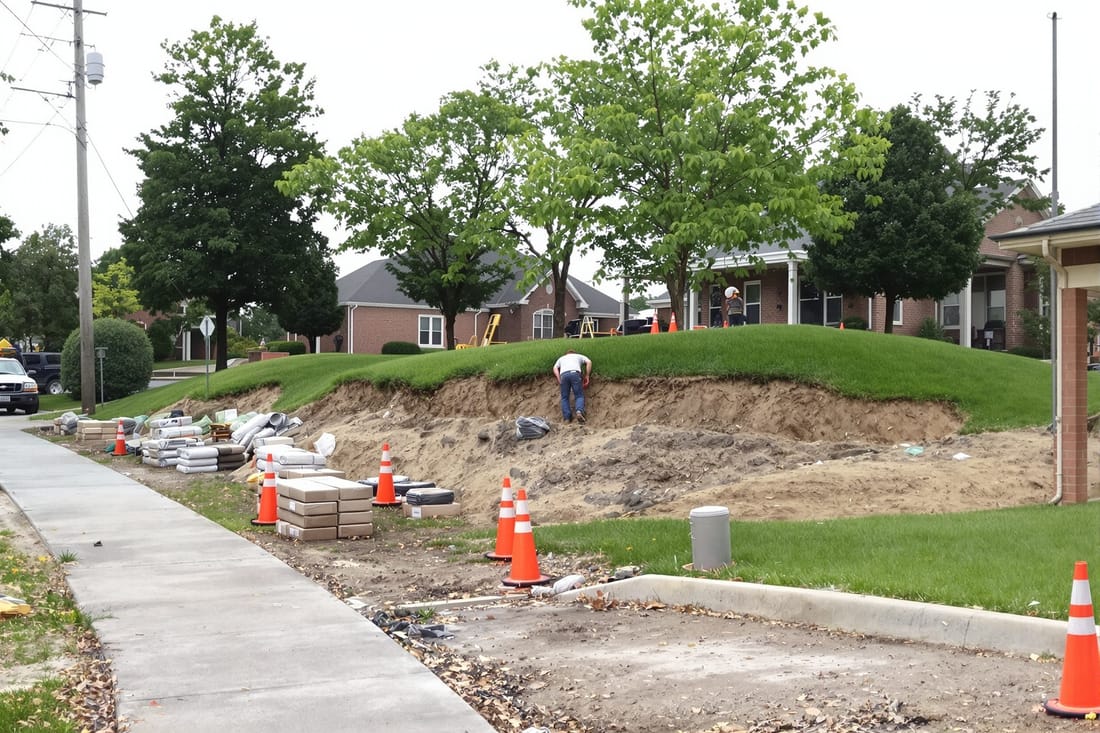
Steep slopes and embankments in Phoenix do not just need to look green. They need to stay in place through summer monsoons, dry heat, and sudden temperature swings. Legendary Hydroseeding Phoenix focuses on commercial slope hydroseeding that is engineered for our desert climate, not a generic one-size-fits-all mix.
Whether you manage a roadway embankment, a commercial development pad, or a large retention pond system, our goal is to control erosion, protect your investment, and satisfy local requirements. We look at slope angle, soil type, drainage patterns, and how stormwater will actually move across your site during a heavy July storm. Those details drive our recommendations for seed blend, mulch type, and application rate.
Because we are local, we know which hydroseeding methods actually hold up on decomposed granite, compacted fill, and native desert soils. We will tell you clearly what is realistic for each area of your site, which portions may need reinforcement such as tackifier upgrades or turf reinforcement mat, and how long you should expect until full vegetative cover develops.
Our Hydroseeding Process for Slopes, Embankments, and Retention Ponds
Commercial slope hydroseeding is only successful when the preparation is as solid as the spray. Legendary Hydroseeding Phoenix follows a step by step process that is adapted to each project.
First, we walk the site with you or your contractor and flag drainage paths, soft spots, and any failed erosion controls. We note slope gradients, north or south facing exposures, and existing vegetation. On retention ponds, we identify the normal waterline and any high water marks to plan different seed mixes for banks versus shelves.
Second, we address surface preparation. That can include roughening smooth slopes with track walking, scarifying crusted soil, and removing construction debris. Where grading is still flexible, we might suggest small swales or benches that slow water and help the hydroseeded layer stay in place.
Third, we design the hydroseeding slurry. The tank typically includes seed blend, cellulose or wood mulch (or a blend), fertilizer that matches soil tests when available, a tackifier to help the mulch lock to the slope, and sometimes soil amendments such as organic matter or lime if needed by lab results. For steeper or highly erodible areas we increase mulch and tackifier rates and may recommend bonded fiber matrix products.
Finally, our crew applies the slurry using high pressure hoses so the material reaches the full face of the slope and into all contours. We spray in overlapping passes from different angles to avoid thin spots. On critical slopes we often apply in two lighter coats instead of one heavy coat, which improves adhesion.
Seed Mixes and Materials That Work in Phoenix Conditions
Phoenix has intense sun, low humidity, alkaline soils, and a short, violent rainy season. That combination means your seed mix and mulch choice matter more than in cooler, wetter climates.
For commercial slope hydroseeding we typically use drought tolerant grass species and desert adapted natives. Depending on your goals and project specifications, we may use a blend of Bermuda grass, buffalograss, and arid region fescues, plus native wildflowers or shrubs where long term habitat value is desired. For retention pond side slopes, we often specify species that can handle periodic inundation yet survive extended dry periods.
Mulch type is another key decision. On gentler slopes and non critical areas we may use a high quality cellulose mulch. On steeper embankments, highly visible frontages, and retention pond banks that receive direct stormwater impact, we recommend premium wood fiber mulch or blended mulches that provide stronger mat formation and moisture retention.
Tackifiers and bonded fiber matrix products can be critical on slopes in areas that see strong monsoon runoff. We adjust tackifier rates based on slope angle and soil smoothness. Too little and the mulch can slide, too much and water infiltration suffers. Legendary Hydroseeding Phoenix balances these factors so the slope stays covered while roots establish.
What Drives Cost for Commercial Slope Hydroseeding
Budgeting for slope, embankment, and retention pond hydroseeding means understanding the main cost drivers. Knowing these in advance helps you plan and compare proposals fairly.
The first factor is access and mobilization. If our crew can reach slopes from the top or bottom using trucks and standard hose lengths, costs are lower. When we must use extra hose runs, specialized access, or coordinate closely with traffic control on road projects, time and labor increase.
The second factor is slope steepness and surface condition. Steeper, smoother slopes require higher mulch rates, stronger tackifiers, or bonded fiber matrix to keep materials in place. Rough, track walked surfaces need less product to achieve the same stability. Erosion control blankets or turf reinforcement mats, when specified, also add material and installation costs.
The third factor is the seed and amendment package. Standard erosion control mixes are more affordable, while custom native mixes, wildflower components, and intensive soil amendments such as compost topdressing or gypsum treatment increase costs but can improve long term performance.
Finally, timing affects price. Hydroseeding done in the optimal windows (usually spring and fall in Phoenix) uses standard material rates. When a project schedule forces work into less favorable periods, we may recommend heavier mulch, additional watering support, or follow up overseeding to hit coverage targets, and those adjustments influence cost.
Timing, Watering, and Establishment in the Phoenix Climate
In Phoenix, when you hydroseed matters as much as how you hydroseed. Legendary Hydroseeding Phoenix generally recommends spring or fall for commercial slope hydroseeding so seed can germinate before the most extreme heat or cold.
Spring applications often rely on increasing temperatures and the possibility of late season rains. Fall hydroseeding gives seed time to germinate and root before winter, so plants are ready for rapid growth when temperatures rise again. For projects driven by construction schedules, we can work outside these windows, but we will be direct about the added irrigation or follow up work needed for success.
Watering is essential, particularly on steep slopes where surface drying happens quickly. We will outline a realistic irrigation schedule that usually starts with light, frequent watering, two to four times per day, then gradually reduces frequency while increasing depth as roots develop. On retention pond slopes, we factor in how often the basin will hold water and coordinate irrigation with stormwater behavior.
Expect that it will take several weeks to see a continuous green tint and several months to develop dense, erosion resistant cover. During this establishment period, it is important to restrict foot traffic and vehicle movement on hydroseeded slopes, especially right after storm events when the soil is softer.
Common Problems on Slopes and How We Prevent Them
Steep slopes and embankments present predictable challenges, but most problems can be controlled with careful planning and local experience.
One common issue is rilling and small washouts after the first big monsoon storm. Legendary Hydroseeding Phoenix minimizes this by roughening slopes before application, using the right mulch and tackifier rates, and paying extra attention to known concentration points like culvert outlets and swale inlets. In these high risk areas we may add wattles, rock checks, or localized blankets.
Another problem is patchy germination, often caused by compacted fill soils, shading from walls, or inconsistent irrigation coverage. We work with you to identify potential trouble spots early and may adjust seed density or suggest irrigation layout changes. If isolated bare patches appear after the first season, we can perform targeted touch up hydroseeding rather than redoing the entire slope.
Retention pond banks can also suffer from wave action and fluctuating water levels after storm events. For these areas we often specify tougher species in the lower band, enhanced tackifier, and sometimes a combination of hydroseeding with biodegradable blankets on the most exposed sections.
Why Local Experience Matters for Your Phoenix Slopes
Hydroseeding in Phoenix is not the same as in cooler or wetter regions. Our soils, slope conditions, and storm patterns require local judgment. Legendary Hydroseeding Phoenix has worked on roadway embankments, commercial developments, industrial yards, and multi basin retention systems across the Valley, so we bring practical lessons from similar projects to your site.
We coordinate with local engineers, general contractors, and property managers to ensure our work fits into broader stormwater and landscaping plans. When plans call for specific ADOT or municipal specifications, we can match those details while still offering practical advice based on field performance.
From initial site walk to final application, you will know who to call, what mix is going down, and what to expect in the first season. Our goal is that your slopes and retention ponds stay stable, look presentable to the community, and pass inspections without surprise rework. If you are planning a commercial slope hydroseeding project anywhere in the Phoenix area, we can review your drawings or inspect your existing slopes and provide a clear, locally grounded plan.