Home › Erosion Control Blankets and Matting
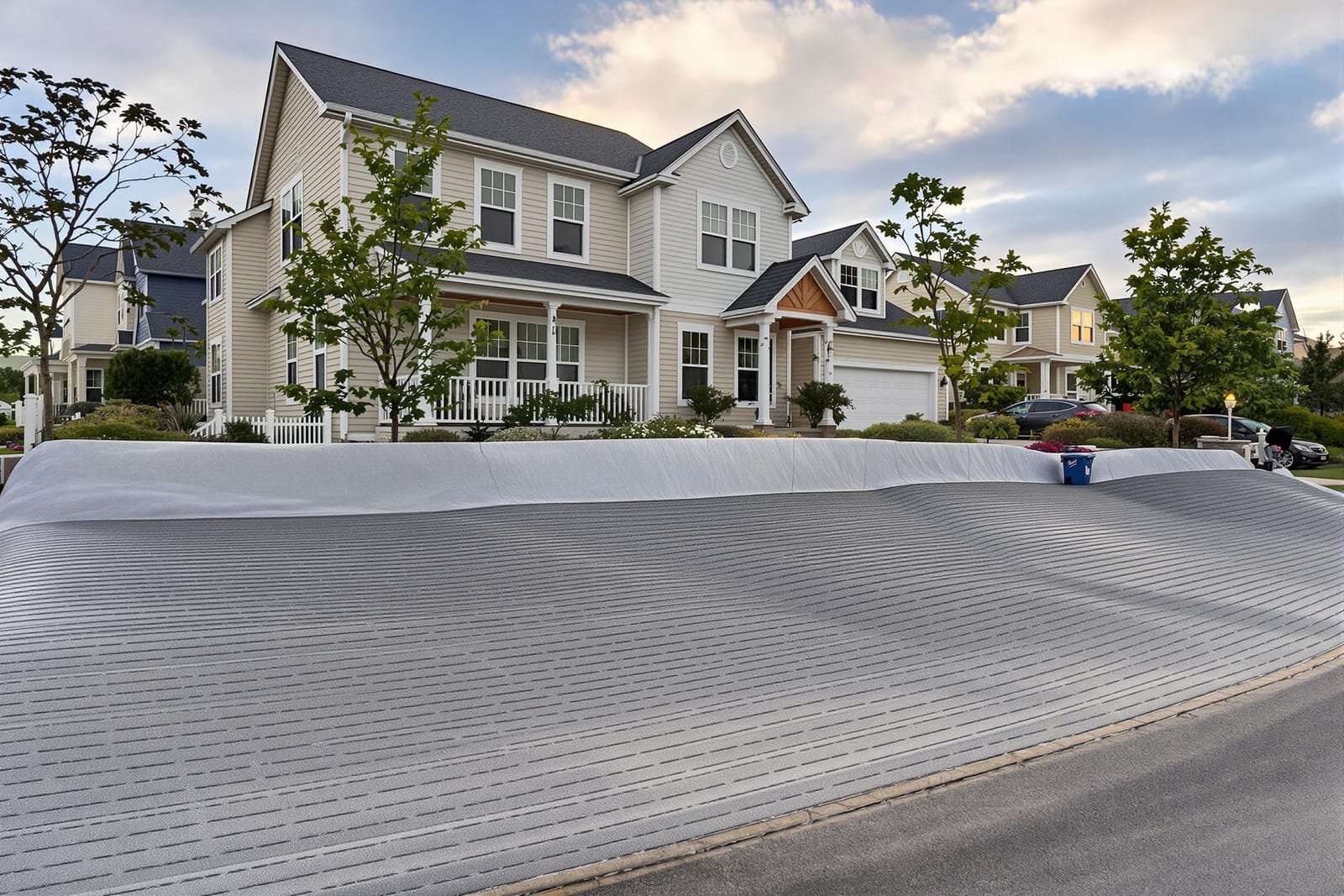
We install erosion control blankets in Phoenix, AZ to reinforce hydroseeding on steep or highly erodible residential areas. Straw, coir, or synthetic matting is securely anchored over seeded soil, helping protect against heavy rain and wind so vegetation can establish and lock slopes in place.
Legendary Hydroseeding Phoenix provides professional erosion control blankets throughout Phoenix, AZ, Arizona and the surrounding area. Our licensed, insured crew delivers safe, clean, on-time work with a free estimate before anything begins. Call 623-323-4586 or request your free quote.
Professional Erosion Control Blankets in Phoenix, AZ
Erosion in Phoenix is not just about heavy rain. Our extreme temperature swings, monsoon downpours, and long dry periods create soils that crust, crack, then wash out in a single storm. Erosion control blankets and matting are one of the most reliable ways to lock soil in place while vegetation establishes. Legendary Hydroseeding Phoenix specializes in matching the right blanket system to our desert soils and drainage patterns, then installing it correctly so it performs when that first storm hits.
On this page, you will find how we evaluate your site, what blanket and matting options are available, how installation actually happens step by step, and how costs are really calculated for Phoenix properties. Our goal is to help you understand what you are buying so you can compare quotes on more than just price.
We routinely install erosion control blankets on new home pads, steep residential backyards, commercial sites, retention basins, drainage channels, and around roadway projects throughout the Valley. Every site gets a field assessment and a specific plan, not a one-size-fits-all roll of fabric and a hope for the best.
When Erosion Control Blankets Make Sense in the Valley
Erosion control blankets are designed to hold soil in place on slopes and disturbed areas until vegetation roots can take over the job. In Phoenix, we typically recommend blankets and matting in several situations.
New construction pads and graded yards: After grading, the top few inches of soil are loose and powdery. A single monsoon cell can carve rills through that surface. Blankets stabilize the soil so hydroseed or broadcast seed can germinate instead of washing into the nearest wash or neighbor's yard.
Steep slopes and berms: On native desert slopes or engineered berms, gravity and fast surface runoff make standard seeding unreliable. Biodegradable or composite mats create a textured surface that breaks up water flow, catches seed, and reduces surface temperature swings that can kill young seedlings.
Drainage channels and retention basins: Where water is intentionally directed, such as around culverts, spillways, and basin side slopes, we often use heavier-duty mats or reinforced turf reinforcement matting (TRM) combined with hydroseeding. This combination protects the soil under both low daily flows and occasional high-velocity storm events.
Burn scars and disturbed desert areas: After vegetation removal or damage, the loose desert soil is very vulnerable. Correctly specified blankets slow runoff, trap sediment, and support re-vegetation so you do not lose more soil each season.
Material Options: Choosing the Right Blanket or Mat
Legendary Hydroseeding Phoenix does not rely on a single blanket product. We keep multiple materials available because Phoenix conditions vary from decomposed granite on a sunny slope to silty soils near a wash.
Biodegradable straw or straw/coconut blankets: These are common for residential slopes and moderate commercial sites. They provide good soil coverage and moisture retention while breaking down over 12 to 24 months. We often pair these with hydroseeding for grass or native mixes.
Coconut (coir) blankets and mats: Coir fibers are stronger and longer lasting than straw. We use them on steeper slopes, in channels, and where you want a slower degrading product, typically 3 to 5 years, to protect soil as deeper root systems form. Coir mats also stand up better to UV exposure in our intense sun.
Excelsior (wood fiber) blankets: These work well where you need good contact with rough soil and quick moisture absorption. They can be a smart choice on cut slopes and in areas with intermittent shade.
Turf reinforcement mats (TRMs): For high flow or engineered channels, we specify non-biodegradable or composite TRMs. These synthetic or hybrid mats interlock with root systems. Once vegetation is established, the combined system can handle repeated flows that would scour a standard blanket.
Netting type and staking pattern: We pay close attention to whether the blanket uses photodegradable plastic netting, natural fiber netting, or high-strength synthetics. In Phoenix, plastics that take too long to break down can become a nuisance to maintenance crews and wildlife, so we tailor net type to both performance and long-term management.
How Our Erosion Control Blanket Installation Process Works
An effective blanket system starts with preparation, not just rolling material down a hill. Legendary Hydroseeding Phoenix follows a consistent field process that is adjusted to your soil and slope.
1) Site inspection and soil assessment: We walk the slope or channel, note soil type, slope angle, existing vegetation, drainage directions, and access. For Phoenix jobs we also consider where monsoon water will actually run, including flow from adjacent roofs, driveways, or neighboring lots.
2) Grading and surface preparation: We smooth out deep ruts and fill gullies so blankets sit flush on the soil. Large rocks, debris, and sharp objects that could puncture the material are removed. On hard, crusted soils, we often lightly scarify the surface to improve seed-to-soil and blanket-to-soil contact.
3) Seeding or soil amendments: In many projects we hydroseed or broadcast seed before the blankets go down. For highly compacted soil, we may recommend a light compost topdressing or soil conditioner localized to the seed zone to improve germination and moisture retention.
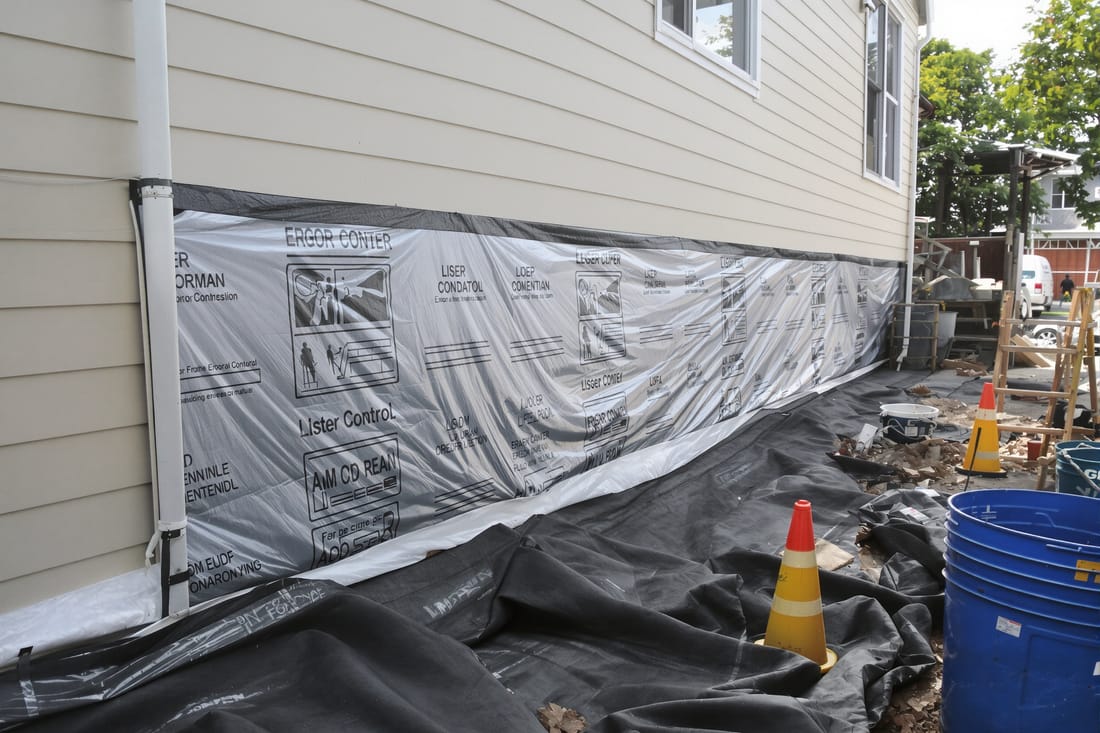
4) Trenching the top anchor: The upper edge of each blanket panel is buried in a small trench, typically 6 inches deep, then backfilled and compacted. This anchor trench is critical in Phoenix storms because it prevents water from getting under the blanket and peeling it downslope.
5) Rolling, overlapping, and alignment: Blankets are rolled downslope, never across, so that water travels over the seams, not into them. We use overlaps of 4 to 6 inches on sides and ends, increasing overlap in high flow zones. Joints are staggered so you do not end up with multiple seams in a straight line.
6) Stapling or staking: We use steel staples or biodegradable stakes in a grid pattern that depends on slope steepness and expected water velocity. On steep or high flow slopes, staple spacing is tightened and extra rows are added near channels, swales, and curves. Every edge, overlap, and trench is stapled according to manufacturer specifications or more stringent project needs.
7) Final inspection and adjustments: After installation we walk every run to check for bridging (material not touching the soil), loose seams, or missed staples, then correct issues before we leave. For commercial or municipal jobs, we document materials and installation patterns for your records.
Local Conditions That Drive Design and Cost in Phoenix
Several Phoenix-specific factors affect what type of erosion control blankets you need and what they will cost.
Soil type and compaction: Sandy decomposed granite behaves differently than clayey fill imported for construction pads. Sandy slopes may need heavier mats or closer staple spacing to prevent undercutting, while tight clays might need scarification and amendments to support root growth. We adjust materials and labor estimates based on what we find in the field, not just a plan sheet.
Slope length, angle, and access: Long, steep slopes require more overlaps, tighter staking patterns, and sometimes heavier materials, all of which increase material and labor costs. Hard-to-reach slopes along washes or behind existing homes can require hand carrying rolls and tools, which affects timelines and mobilization charges.
Stormwater flow paths: In Phoenix, a slope that looks dry 10 months a year can receive heavy concentrated flow during a short storm. Where water concentrates, such as at downspout outlets, at the base of driveways, or in scuppers, we often design local reinforcement with heavier matting, rock energy dissipaters, or concrete features. These spot treatments add cost but help prevent failure of an otherwise well-installed blanket system.
Integration with hydroseeding or landscaping: If we are handling both the blankets and hydroseeding, we can optimize the sequence to reduce site visits and overall cost. If another contractor is handling landscaping, we coordinate to avoid damage, and we may recommend specific mowing, traffic, and irrigation practices so the blanket system is not compromised.
Common Problems and How We Prevent Blanket Failure
Most erosion control blanket failures we see around Phoenix are avoidable. They tend to come from shortcuts in installation or ignoring how water really moves on site. Legendary Hydroseeding Phoenix focuses on a few critical details.
Improper anchoring at the top: If the upper edge of a blanket is not trenched and compacted, monsoon water slips underneath and peels the entire run. We always include a continuous anchor trench and, on long slopes, sometimes intermediate check slots to break up flow.
Insufficient staples: To cut costs, some installers reduce staple counts. You might not notice a problem until the first big storm. We follow or exceed manufacturer patterns, and we tighten spacing where the plans do not adequately account for Phoenix storm intensity.
Poor contact with the soil: Bridging over clods or uneven ground creates pockets where water can travel. We prep and smooth the surface and check for gaps after installation. Any hollow spots are reworked until the blanket hugs the soil.
Ignoring concentrated flows: Putting a basic blanket across a natural watercourse or at a culvert outlet sets the system up to fail. In these locations we typically design a hybrid solution that may include heavier matting, rock riprap, or energy dissipaters so the blankets around that feature do not get undermined.
Lack of follow-up: Blankets are not set-and-forget. We recommend at least one inspection after the first significant rain. If minor undermining or edge damage appears, we can fix it quickly before it grows into a major problem.
What Phoenix Property Owners Should Ask Before Hiring
Before you hire anyone to install erosion control blankets, there are several questions that will help you separate professional installers from crews just rolling out fabric.
Ask which specific blanket or mat types they are proposing and why. You should hear a clear explanation that references your slope angles, soil, and expected water flows, not just a brand name.
Request a sketch or description of anchor trenches, overlap dimensions, and staple spacing. If an installer cannot describe these details, the system is less likely to survive a major monsoon.
Confirm how the blankets will be integrated with seeding or landscaping. In Phoenix, timing relative to irrigation start-up and seed germination is important. We typically coordinate hydroseeding and blanket installation so seeds are in contact with moist soil under the mat, not sprinkled on top where birds and wind can remove them.
Ask about inspection and warranty practices. Legendary Hydroseeding Phoenix offers practical guidance on monitoring after storm events and can provide maintenance or repair services if needed. For larger projects we can document installation with photos and provide material certifications.
Finally, consider the value of local experience. Knowing which north-facing slopes stay crusted and cold in winter, how quickly certain soils seal off under irrigation, and where monsoon cells typically track through the Valley helps us design blanket systems that are realistic for our climate, not just correct on paper.