Home › Dust Control and Soil Stabilization
We offer dust control hydroseeding in Phoenix, AZ to stabilize exposed soils on construction sites, laydown yards, and vacant lots. Using hydromulch and soil binders, we help reduce airborne dust and surface erosion for months at a time.
Legendary Hydroseeding Phoenix provides professional dust control hydroseeding throughout Phoenix, AZ, Arizona and the surrounding area. Our licensed, insured crew delivers safe, clean, on-time work with a free estimate before anything begins. Call 623-323-4586 or request your free quote.
Dust control hydroseeding tailored to Phoenix conditions
Phoenix dust behaves differently than what you see in wetter parts of the country. Our soil is sandy or decomposed granite on top, often with hard caliche underneath, and when it dries out, it turns into fine, airborne dust that can travel onto roads, job sites, and neighboring properties. At Legendary Hydroseeding Phoenix, we use dust control hydroseeding specifically designed for the hot, dry climate and intense monsoon winds.
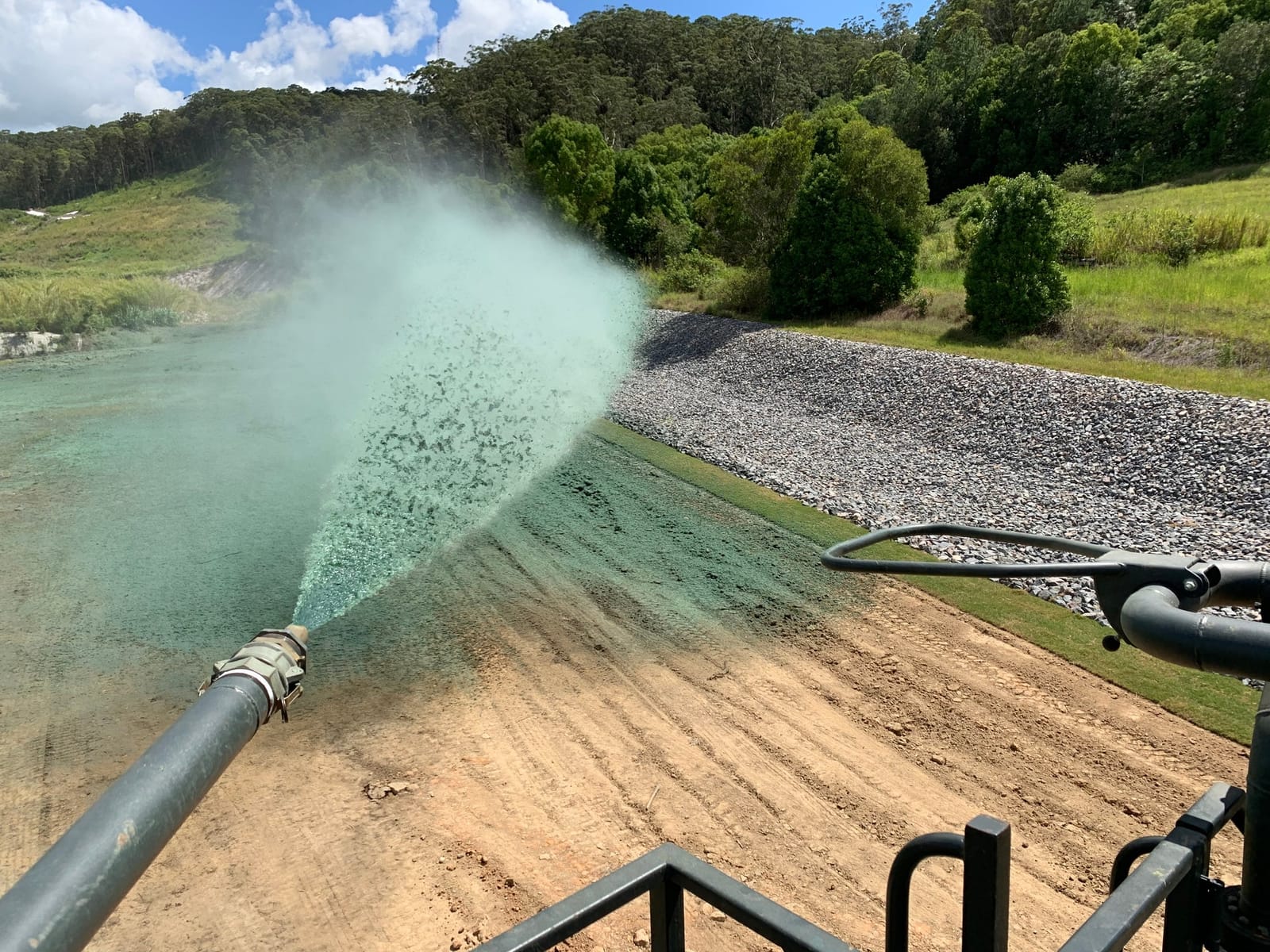
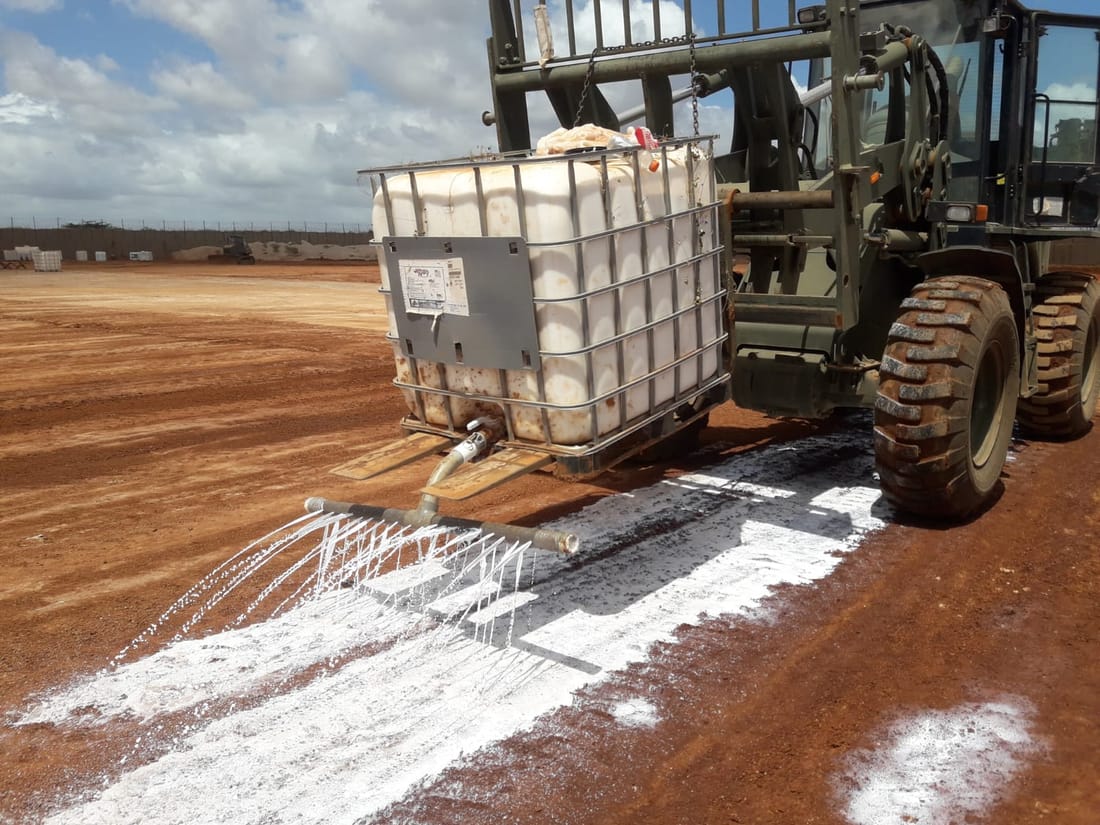
Instead of spraying plain water or relying only on water trucks, we apply a slurry made of water, binders, tackifiers, and sometimes seed or mulch, depending on your goal. This slurry is applied under pressure so it coats and bonds with the soil surface. Once it cures, it creates a thin, flexible crust that keeps soil particles in place, reduces dust generation, and helps the surface resist light traffic and occasional rain.
We regularly work on vacant lots, construction sites, solar farms, utility corridors, haul roads, and large residential properties trying to meet city or county dust control standards. Because we are local, we understand Maricopa County dust regulations and can help you align your site plan with what inspectors actually look for, such as stabilized access points, treated perimeters, and ongoing maintenance schedules during long projects.
How our dust control hydroseeding process works
Every project at Legendary Hydroseeding Phoenix starts with a site walk. We look at your soil type, slopes, access for our hydroseeding trucks, existing vegetation, and how wind moves across your property. We also ask about your timeline and whether the goal is temporary dust control during construction or a longer term permanent soil stabilization.
Next, we design a slurry mix. For pure dust control hydroseeding, we usually focus on soil binders and tackifiers such as polymer binders or plant based products that glue the top layer of soil together. Where long term stabilization is needed, we add region appropriate seed blends and mulch, so you get both immediate crusting and future vegetative cover once the seed germinates. The mix can be adjusted for steep slopes, high traffic areas like construction entrances, or sensitive areas near drainage channels.
On application day, we bring our hydroseeding truck, mix the slurry on site, and spray from the truck or from long hoses for hard to reach areas. We pay close attention to edges along roads, property lines, and around storm drains, since these are the areas inspectors and neighbors notice first. Coverage rates are calculated so that the binder is thick enough to lock the soil, but not so heavy that it cracks quickly in the heat.
After spraying, we walk the site again to check for thin spots, shadows behind structures, or areas missed due to wind gusts. If needed, we touch up critical areas immediately. You will receive basic guidance on curing time, which is usually 24 to 48 hours with no disturbance, and simple maintenance steps like avoiding unnecessary traffic over treated surfaces.
Soil stabilization options and what affects cost
Dust control and soil stabilization are not one size fits all. The cost of dust control hydroseeding in Phoenix is driven by several specific factors, and knowing them helps you set a realistic budget.
The biggest cost driver is area size and accessibility. Large, open lots are usually more cost effective per square foot than small, broken up areas where we need more hose setups and spraying from multiple positions. If our trucks cannot get close, we have to run long hose lines or bring a smaller unit, which adds labor time.
Material choice also matters. A short term project on a subdivision pad site may only need a basic binder for a few months. A long term solar or commercial development may require a more durable polymer, wood fiber mulch, and a native seed mix to keep dust down for years. We will talk openly about how long you need the stabilization to last, and match the binder and mulch type to that window so you are not overpaying for an unnecessarily heavy application.
Soil condition and slope are another variable. Steep slopes, loose fill dirt, or freshly graded channels often need higher application rates and additional tackifier. These increase material volume, which affects your bid. If your site has already been compacted correctly and fine dust is limited to the surface, we can sometimes reduce product usage and save money.
Timing also plays a role. Summer heat, monsoon season, and upcoming inspections can change how we schedule your job and which products we recommend. For example, if you must pass a Maricopa County dust inspection before utility trenching, we may recommend a product that cures quickly in hot weather, so inspectors can verify compliance sooner.
Local regulations, HOAs, and inspection expectations
In the Phoenix metro area, dust control is heavily regulated because of air quality concerns. If your project is over a certain size or involves regular earthmoving, you may need a Maricopa County Air Quality Department (MCAQD) permit and an approved dust control plan. Legendary Hydroseeding Phoenix is familiar with the practical side of these rules and how they translate into real site conditions.
Inspectors typically want to see that disturbed surfaces are either actively watered or stabilized. Hydroseeded dust control meets the stabilized surface requirement when the treated area shows no visible dust during normal activity and cannot be easily disturbed by hand or light vehicle traffic. We apply products in a way that is consistent with this performance standard, not just the minimum description on paper.
For residential or HOA controlled areas, the focus is often on appearance as well as performance. Many Phoenix HOAs do not want large bare dirt areas, especially on visible slopes or lots waiting for construction. In these cases, we can use dust control hydroseeding that includes a decorative seed mix or mulch color that blends better with the desert landscape. This gives you a surface that satisfies neighborhood standards while still controlling dust.
We can coordinate timing with your grading contractor or builder so your dust control hydroseeding happens right after rough grading. This helps you stay in compliance throughout inspections by the city of Phoenix or nearby municipalities like Glendale or Scottsdale, and reduces the chance of complaints from adjacent homeowners or businesses.
Common challenges on Phoenix sites and how we solve them
Desert projects come with a few predictable problems, and we have built our dust control hydroseeding approach around solving them. The most common issue is extreme drying. In Phoenix, a typical water based tackifier can dry too fast, crack, and lose grip. To avoid this, we often use blends that retain some flexibility and recommend application in the early morning or later afternoon in hotter months, so the product has time to bond before peak temperatures.
Wind is another factor, especially during monsoon season. Strong gusts can blow dust and also interfere with even coverage during application. When wind speeds are too high, we may split the job into multiple shorter visits or adjust the spray direction and nozzle settings to control overspray. On very exposed sites, we may prioritize perimeter bands and high risk areas first, then return for interior zones during better conditions.
Traffic from trucks and equipment can break the surface crust if routes are not planned. We encourage builders and site managers to designate haul roads and staging areas before we spray, so we can treat active travel lanes differently or later. Sometimes we will stabilize the main entrance with a heavier product or combined gravel and hydroseeding treatment, and use standard dust control hydroseeding on the rest of the lot.
Finally, owners often worry about how long the treatment will last. In Phoenix, lifespan depends on sun exposure, traffic, and whether vegetation is part of the plan. We will give you an honest estimate up front, usually a few months for temporary binders and much longer if we are establishing native grasses. If you have a multi phase project, we can schedule follow up touch ups or additional passes so you maintain consistent compliance from grading through vertical construction.