Home › Lawn Repair and Hydroseeding Overseeding
Our lawn repair hydroseeding services in Phoenix, AZ revive patchy, sunburned, or pet-damaged lawns with targeted overseeding. We assess your turf issues, prep thin areas, then apply a customized hydroseed mix that blends with existing grass for a fuller, healthier yard.
Legendary Hydroseeding Phoenix provides professional lawn repair hydroseeding throughout Phoenix, AZ, Arizona and the surrounding area. Our licensed, insured crew delivers safe, clean, on-time work with a free estimate before anything begins. Call 623-323-4586 or request your free quote.
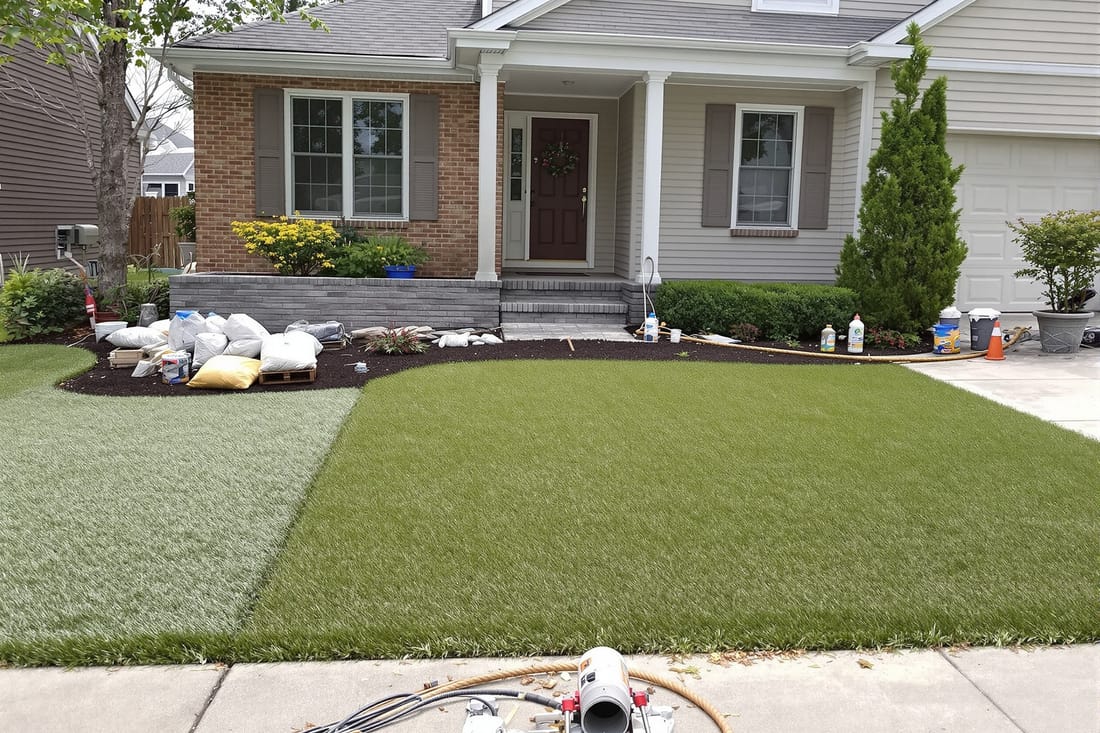
Lawn repair and hydroseeding overseeding that fits Phoenix yards
If bare patches, thin grass, or old sod are making your yard look tired, lawn repair hydroseeding can reset things without the cost of a full tear out. At Legendary Hydroseeding Phoenix, we focus on repairing and thickening existing lawns with a custom hydroseeding overseed blend designed for our desert climate.
Most Phoenix yards struggle with the same issues: heat-scorched spots along south and west exposures, high-traffic bare paths from pets and kids, and areas where old seed mixes were never right for our alkaline soil. Instead of throwing down another bag of big-box-store seed that never really takes, we evaluate the whole lawn. We look at soil texture and compaction, current grass type, sprinkler coverage, shade patterns, and where runoff is eroding seed.
Hydroseeding overseeding is different from basic hand seeding. We use a pressurized tank to spray a slurry of grass seed, mulch, fertilizer, and tackifier so it bonds to the soil. On a repair job in Phoenix, we almost never treat the entire yard exactly the same. High-traffic areas might get a tougher seed blend and extra tackifier so it stays put, while shaded margins get more shade-tolerant varieties. This “right seed in the right place” approach is what makes our repairs hold up through 110+ degree summers instead of washing out after the first irrigation cycle.
How our lawn repair hydroseeding process works in Phoenix
When you hire Legendary Hydroseeding Phoenix for lawn repair and hydroseeding overseeding, we follow a clear, step-by-step process so you know what is happening to your yard.
1. Site walk and diagnosis. We walk the property with you and ask how the lawn has been used and watered, what has been tried before, and what your goals are. We check for irrigation coverage gaps, compacted soil, pet damage, salt buildup from Phoenix tap water, and fungal issues that sometimes pop up after monsoon humidity.
2. Lawn cleanup and prep. We mow existing grass shorter than normal, usually down to about 1 to 1.5 inches, then bag the clippings. This lets the hydroseed reach the soil instead of sitting on a mattress of thatch. We remove debris, dead clumps, and heavy thatch where needed. In compacted spots, especially along driveways and RV pads, we loosen the top layer of soil with power rakes or slit seeders so seed can anchor.
3. Soil touchups and grading. For low spots that collect water, we add a light topdressing and regrade so water spreads evenly. When we see signs of salt crusting from hard water, common in Phoenix, we may recommend a heavy pre-watering and sometimes a soil amendment to improve infiltration. We fix small divots and holes so your lawn is safer and looks more uniform once the new grass fills in.
4. Custom hydroseed mix selection. We pick a seed blend based on your water schedule, sun exposure, and maintenance preferences. For cool-season lawns that you want lush in winter, we lean on premium ryegrass blends for overseeding. For warm-season Bermuda or similar lawns that need repair, we coordinate timing so hydroseeding lines up with the grass’s active growing period and daytime soil temperatures.
5. Application of the hydroseed. We mix seed, cellulose or wood fiber mulch, starter fertilizer, and tackifier in our tank on-site so we can adjust mid-job if we see areas prone to erosion. The slurry is sprayed evenly over the repair zones and, if needed, lightly into the surrounding healthy turf so everything grows together and patch lines disappear.
6. Watering schedule and follow-up. Before we leave, we program or review your irrigation schedule with you. For Phoenix heat, that usually means short, frequent cycles at first, then fewer but deeper waterings once the seedlings establish. We schedule a check-in window to confirm germination is on track and talk about any needed touchups.
Common Phoenix lawn problems we fix with hydroseeding overseeding
Phoenix lawns face some predictable but very fixable problems, and lawn repair hydroseeding lets us solve several of them at once.
Heat-burned strips and corners. South- and west-facing perimeter strips near block walls often get extreme reflected heat. In those zones, we use heat-tolerant seed varieties, thicker mulch in the hydroseed mix to cool the soil surface, and sometimes suggest a slight adjustment to irrigation heads to reduce hot, dry edges.
Pet traffic and “runway” paths. Dogs tend to run the same path along fences and view windows, which compacts the soil and tears grass out by the roots. For these areas we often combine shallow aeration or slicing with a tougher turf-type seed, then apply extra tackifier so the mix locks into the soil instead of being tracked inside. We will also be honest if an area is so heavily used that grass will never be happy there and might recommend decorative rock or pavers for that specific path.
Shade from mature trees or two-story homes. Parts of central and north Phoenix especially have older neighborhoods with bigger trees. If your existing grass is a warm-season variety that hates shade, we can selectively overseed shaded pockets with more shade-tolerant seed. The goal is not one single grass type everywhere but a lawn that looks unified while each section has the variety that actually thrives there.
Patchy winter overseeding. Many Phoenix homeowners try to overseed themselves in fall and end up with a lawn that is 50 percent green and 50 percent brown. We often come in behind a DIY attempt, rake out failed areas, check sprinkler timing, and lay a professional hydroseed overseed layer that fills the gaps with a matching rye blend so your winter lawn does not look like a checkerboard.
Repairing after construction or pool installs. New patios, pools, and additions usually leave cut trenches and disturbed soil that will not grow grass evenly for years if it is not treated correctly. On these projects we work with the builder’s timeline, correct compaction from heavy equipment, bring in a compatible topsoil if needed, and then hydroseed so the repaired areas transition smoothly into the older portions of the yard.
Costs, timing, and what affects your lawn repair hydroseeding price
Pricing for lawn repair and hydroseeding overseeding in Phoenix is not one-size-fits-all, but there are consistent factors that drive the cost. Legendary Hydroseeding Phoenix always explains these upfront so you understand where your quote comes from.
Square footage and treatment intensity. Smaller jobs with simple patch repair cost less overall, but extremely chopped-up areas with many edges can take more time per square foot because we have to detail spray around concrete, planters, and rock features. A full-property overseed that includes prep on the whole lawn will cost more than targeting a few damaged zones.
Amount of prep work. The more soil correction and cleanup needed, the more labor and materials are involved. Heavy thatch removal, correcting irrigation coverage, and topdressing to smooth ruts add to the price but also directly impact how well the new grass takes root. We will separate “must do” items from “nice to have” options so you can prioritize.
Seed blend quality and type. Using premium, low-filler seed that is graded for our region costs more per pound than cheap mixes, but it typically produces thicker coverage and fewer weeds. Specialty blends for high-wear play areas, pet areas, or heavily shaded sections are also a bit more, but they tend to reduce long-term rework costs because those spots hold up better.
Access and water availability. Yards with narrow side yards, gated community restrictions, or limited access for our equipment may take longer, since everything has to be run in smaller hoses or applied from multiple angles. We also confirm water availability, since successful hydroseeding overseeding depends on consistent irrigation for several weeks. If your current system is not working correctly, we will talk about quick fixes versus more in-depth irrigation work before scheduling the hydroseed.
Seasonal timing. In Phoenix, the ideal windows for many lawn repair hydroseeding projects are early spring and fall, when soil temperatures help seed germinate without constant stress. We can work outside those windows in some cases, but it might require adjustments to watering schedules or expectations about how quickly the lawn will fill in. If timing is not great for what you want, we will tell you and suggest alternatives, not just push ahead to make a sale.
What to expect after we hydroseed and how to keep results looking legendary
A successful lawn repair hydroseeding job continues after we put the hose away. What you do in the next 4 to 8 weeks has a big impact on how your Phoenix lawn turns out, so Legendary Hydroseeding Phoenix gives you clear, written aftercare instructions and stays available for questions.
Watering in the first month. Right after application, we typically recommend short, frequent cycles that keep the hydroseed mulch consistently damp but not flooded. For many Phoenix systems that means 3 to 4 brief irrigations per day for the first 7 to 10 days, then gradually reducing frequency while extending run times so roots chase moisture deeper. We tailor this schedule to your sprinkler type, water pressure, and any city watering restrictions.
Mowing and traffic. Once new grass reaches about 3 inches tall, you can begin mowing, but only remove the top third of the blade each time and make sure your mower blades are sharp. Avoid heavy foot and pet traffic on newly hydroseeded areas until the turf feels anchored when you gently tug it. If you must cross a new section daily, we may suggest a temporary stepping stone path to protect seedlings.
Fertilizing and weed control. The starter fertilizer in the hydroseed mix will carry the lawn through early growth, so we usually time the next feeding a few weeks after germination. Weed seeds that were already in the soil may emerge along with the new grass. Because seedlings are tender, blanket chemical treatments are not a good idea right away. We show you which early weeds to ignore temporarily and which, if any, should be hand pulled until the lawn is strong enough for more standard weed control.
Trouble signs and touchups. If you notice areas that suddenly dry out, stay soggy, or lag behind the rest of the lawn, send us a photo or call. Often it is a simple sprinkler adjustment or a small re-spray that fixes the issue. Our goal with lawn repair hydroseeding is a lawn that looks unified, not patched, so we build touchup options into our approach if something unexpected happens, like monsoon washouts or a broken irrigation line.
Long-term expectations. A repaired and overseeded lawn still needs routine care, but when the right seed, prep, and watering are combined, you should see thicker coverage, fewer bare spots, and a lawn that handles Phoenix’s heat and sun better than before. Many of our customers choose to do lighter, scheduled overseeding every year or two instead of waiting for the yard to decline again, which keeps the lawn dense and helps crowd out weeds without constantly starting over.