Home › Solar Farm and Energy Project Hydroseeding
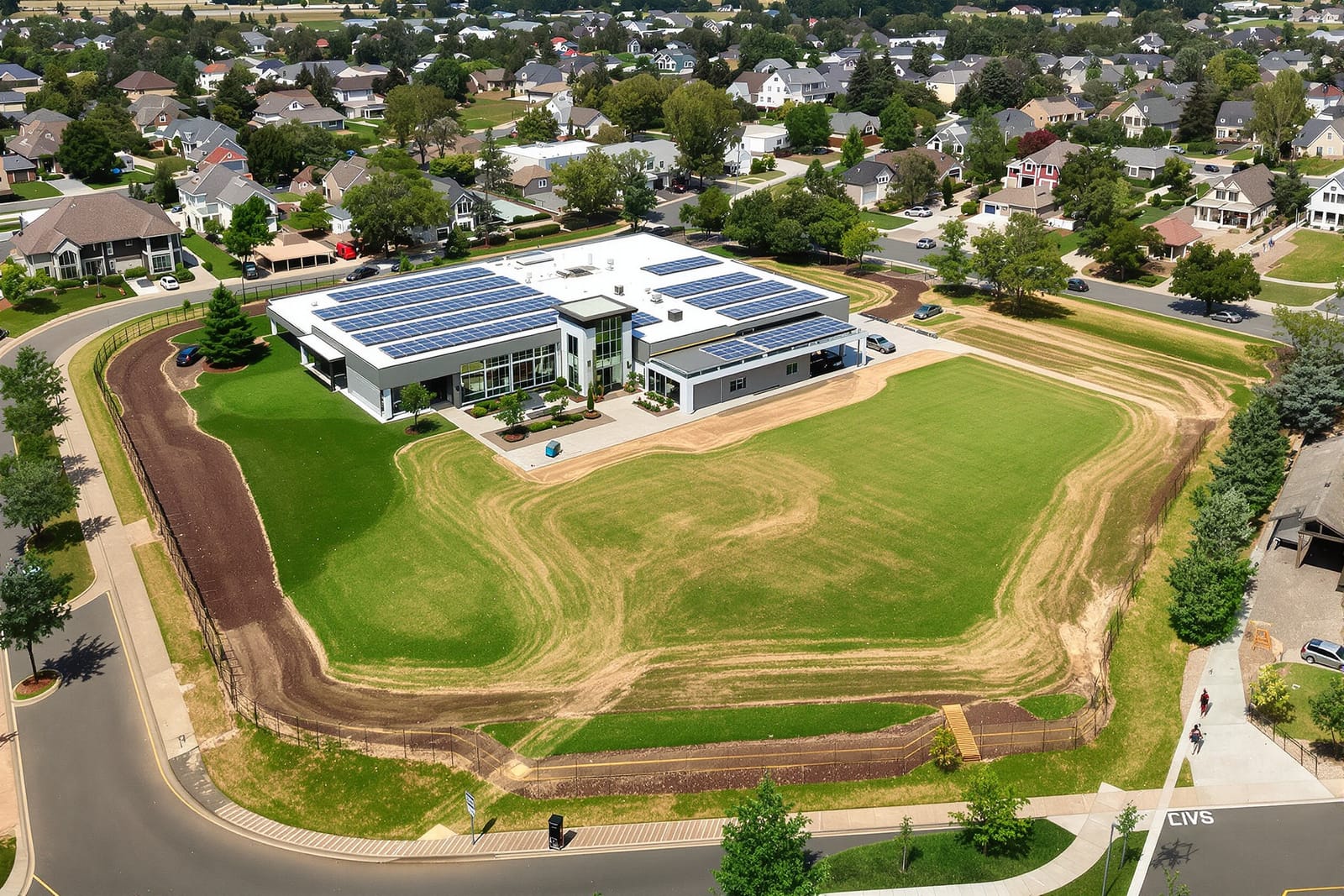
We provide solar farm hydroseeding in Phoenix, AZ to establish low growing vegetation beneath and between panels. Our mixes minimize shading, reduce dust and erosion, and support long term site access for renewable energy projects.
Legendary Hydroseeding Phoenix provides professional solar farm hydroseeding throughout Phoenix, AZ, Arizona and the surrounding area. Our licensed, insured crew delivers safe, clean, on-time work with a free estimate before anything begins. Call 623-323-4586 or request your free quote.
Solar Farm Hydroseeding in Phoenix, AZ With Utility-Grade Results
Solar farms around Phoenix face a tough mix of blistering sun, monsoon downpours, desert dust, and highly compacted soils. Legendary Hydroseeding Phoenix designs solar farm hydroseeding specifically for these conditions so your site stays stable, compliant, and easy to maintain over the long term.
We focus on the real-world needs of utility-scale and commercial solar: controlling erosion under and between arrays, reducing dust on panels and access roads, creating safe access for maintenance crews, and meeting permit or SWPPP requirements. Whether your project is a few acres on the west side or a multi-megawatt installation near Buckeye or Maricopa, we tailor seed mixes, application rates, and scheduling to Arizona’s climate and your project timeline.
Our crews are used to working around live sites, active construction, and strict safety protocols. We coordinate closely with your EPC, civil contractor, or O&M provider so hydroseeding supports the build schedule instead of slowing it down.
How Solar Farm Hydroseeding Actually Works
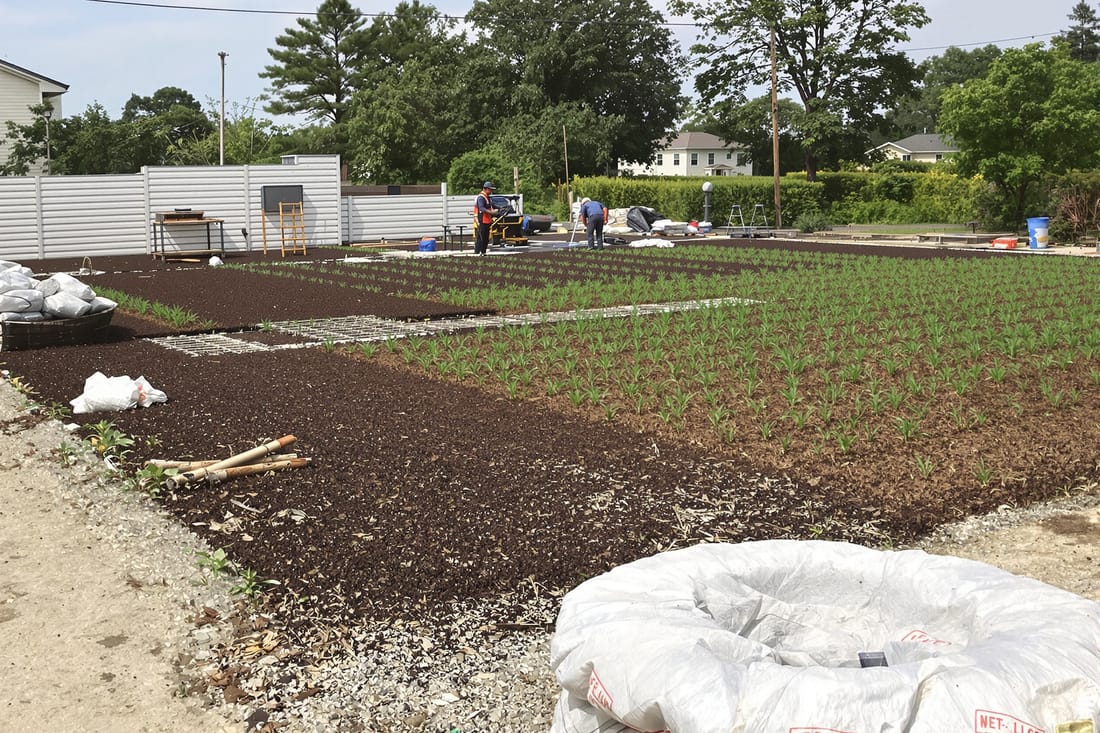
On solar and energy projects in the Phoenix area, hydroseeding is more than spraying a green slurry. We start with a site walk and plan review so we understand drainage patterns, array layout, cable routes, and access roads. We look at slopes, soil type, and where runoff naturally concentrates, then match our approach to the civil design.
Soil prep usually includes light scarifying or track-walking compacted areas, especially on slopes or around inverter pads, to help roots penetrate. In some cases, we add a tackifier or soil amendment to help with water infiltration and seed retention on highly compacted caliche. For sensitive areas near trench lines or equipment pads, we may use lower-pressure application to avoid disturbing new work.
We then apply a hydroseeding slurry that typically includes a desert-adapted seed mix, mulch fiber, tackifier, and starter fertilizer if specified. Application rates are calculated by square footage and slope angle so coverage is uniform under arrays, between rows, and around perimeter fencing. On steep drainage swales or around detention basins, we beef up mulch and tackifier rates to withstand intense monsoon bursts.
After application, we provide clear watering and maintenance guidance. On sites with no permanent irrigation, we time seeding to seasonal moisture, coordinate temporary water trucks, or schedule work ahead of expected rain events. Follow-up visits can include touch-up seeding in high-traffic or washout areas to ensure the entire site achieves stable cover.
Seed Mixes and Materials Built for Arizona Solar Sites
Phoenix-area solar farm hydroseeding has to balance three priorities: strong erosion control, low water use, and low shade impact on panel performance. Legendary Hydroseeding Phoenix works with seed suppliers that specialize in arid-region and native mixes so your groundcover works with, not against, your energy production.
For many utility-scale projects, we recommend low-growing, drought-tolerant blends that stay below panel height, reduce mowing frequency, and tolerate reflected heat under the arrays. Depending on your permit and ecological requirements, we can specify native grasses and forbs such as sideoats grama, blue grama, alkali sacaton, and appropriate wildflowers, or a more utilitarian low-water mix where native restoration is not required.
Mulch choices are also critical in the desert. On flat or gently sloped areas, we typically use wood or paper mulch blends that hold moisture around the seed and protect against crusting. On slopes, drainage channels, or berms along access roads, we increase mulch depth and include stronger tackifiers so the matrix stays in place during monsoon storms. For very sensitive areas around culverts or outfalls, we may combine hydroseeding with erosion control blankets or rock armoring.
If your utility partner or county has specific vegetation standards, we can align seed selection and labeling with those specs so approval and inspection go smoothly.
Local Phoenix Conditions That Shape Your Hydroseeding Plan
Hydroseeding for a solar farm in Phoenix is very different from a project in a cooler, wetter region. Our average summer highs and rapid evaporation mean timing is critical. Legendary Hydroseeding Phoenix typically recommends seeding windows that take advantage of either monsoon moisture (often July through September) or cooler fall temperatures when soil can hold water longer.
Desert soils in Maricopa County often include hard caliche layers, low organic matter, and high alkalinity. We account for this in our mix design and, where practical, in soil prep. In select areas such as critical slopes or high-visibility perimeters, we may suggest light soil conditioning or organic amendments to improve establishment. On large utility-scale projects where soil improvement everywhere is not realistic, we target amendments only where they will most reduce risk of erosion or dust.
Phoenix also deals with dust control regulations, especially on large disturbed sites visible from public roads or near neighborhoods such as Laveen, Buckeye, or south Phoenix. Properly designed solar farm hydroseeding, combined with smart watering schedules, can play a direct role in meeting your dust permits and avoiding fines. We help owners and contractors align hydroseeding timing with city and county dust control plans so vegetative cover is part of your compliance strategy, not an afterthought.
Cost Factors for Solar Farm and Energy Project Hydroseeding
Budgeting accurately for solar farm hydroseeding means understanding what actually drives cost. The primary factor is acreage, but the details matter: dense seeding between tightly spaced rows requires more time and hose work than open areas. Legendary Hydroseeding Phoenix prepares takeoffs from your civil or grading plans so our quantities match the real-world layout, including buffer zones, berms, retention basins, and laydown yards.
Seed mix selection is another major cost driver. Native or specialized low-grow mixes designed for long-term sustainability can cost more up front but often reduce maintenance and reseeding needs. If your project has strict native restoration requirements, we can give you options with different native percentages and explain how that affects price and performance.
Slope and accessibility significantly affect labor. Areas reachable only by hose from access roads take longer than open passes with the hydroseeding rig. Steep drainage channels or around battery storage containers may need higher mulch and tackifier rates, which slightly increases material cost but pays off in stability. We will flag these areas during our initial review so there are no surprises later.
Finally, schedule and phasing can impact pricing. Continuous mobilization across a large area is more efficient than multiple small mobilizations spread over months. If your build sequence is phased, we can structure pricing per phase and suggest ways to group areas to control costs.
Common Problems on Solar Sites and How We Address Them
Solar projects in and around Phoenix frequently run into the same vegetation challenges: erosion between arrays after monsoon storms, dust crossing property lines, and patchy establishment where soils are most compacted. Legendary Hydroseeding Phoenix designs with these issues in mind instead of reacting after damage occurs.
For erosion in concentrated flow paths, we combine heavier mulch rates with tackifier, and in some cases, add fiber rolls or check structures specified by your engineer. Under and between the arrays, we choose species and application techniques that tolerate partial shade, heat reflection from panels, and foot traffic from maintenance crews.
Dust is another recurring problem, especially during construction when grading is still active. While hydroseeding is not an instant dust fix, it is a key piece of the long-term dust control plan. We help your team coordinate temporary water, soil binders on haul roads, and targeted early hydroseeding of high-risk areas such as perimeters and stockpile zones.
Patchy or slow establishment is often tied to compaction or uneven watering. We flag the worst compaction areas during planning, and if you have access to water trucks or temporary irrigation, we can prioritize those zones for extra passes. After germination, we offer reinspection and, if needed, spot-reseeding packages so you end up with the coverage required by your permits and performance expectations.
Our Process and What Phoenix Solar Owners Can Expect
From the first call, Legendary Hydroseeding Phoenix structures the process to fit the realities of energy projects. We start with plan review and site meeting, either in person or virtual, where we discuss your SWPPP, revegetation specs, and any utility or municipal requirements. We then provide a written scope that identifies seed mixes, mulch types, application rates, and any special treatment areas.
Before mobilization, we coordinate with your site superintendent on safety orientation, access routes, and daily start times. Our crews are accustomed to working around pile driving, racking installation, trenching, and electrical work, and we adjust our sequence so we hydroseed finished areas while staying clear of active work zones. For very large sites, we can provide daily progress maps so your team knows what areas are complete.
After application, we give you a straightforward establishment guide that covers expected germination timelines, watering recommendations, and when maintenance activities like mowing should begin. We can also schedule follow-up inspections to document vegetative cover for your records, which is useful for closeout packages and agency sign-off.
Because we are based here in Phoenix, we remain available long after the initial work is done. If a monsoon event damages a newly seeded slope or an inspector requests additional cover in a specific area, you can reach the same local team that did the original work, not a distant call center.