Home › Construction Site Erosion Control Hydroseeding
We provide construction erosion control hydroseeding in Phoenix, AZ to help sites meet SWPPP and NPDES requirements. Our team stabilizes disturbed soil, slopes, and stockpiles with specified mulch and tackifiers to reduce sediment loss and keep inspections running smoothly.
Legendary Hydroseeding Phoenix provides professional construction erosion control hydroseeding throughout Phoenix, AZ, Arizona and the surrounding area. Our licensed, insured crew delivers safe, clean, on-time work with a free estimate before anything begins. Call 623-323-4586 or request your free quote.
Construction Erosion Control Hydroseeding for Phoenix Job Sites
On active construction sites around Phoenix, controlling erosion is not just a paperwork box to check, it protects your schedule, budget, and permit compliance. Legendary Hydroseeding Phoenix specializes in construction erosion control hydroseeding that is engineered for desert soils, sudden monsoon storms, and steep cuts or fill slopes common on local projects.
Instead of relying on loose straw or blanket-only solutions, we apply a hydraulically sprayed slurry that creates a bonded, soil-holding layer and establishes fast root growth. This approach is ideal for mass-graded subdivisions, commercial pads, roadway embankments, retention basins, and utility corridors across the Phoenix metro area. We design each application around your grading plan and SWPPP requirements so you get practical erosion protection that also satisfies inspectors.
Our crews are used to working alongside earthwork, utilities, and paving trades, so we know how to phase hydroseeding around your production schedule. The goal is simple: stabilize exposed soil before the first real rain tests your slopes, while staying flexible enough to adjust as the site changes.
How Construction Erosion Control Hydroseeding Works
Construction erosion control hydroseeding is a multi-step process, and the quality of each step determines how well your slopes hold during a storm. Legendary Hydroseeding Phoenix follows a field-proven sequence that fits Arizona conditions.
First we walk the site with your superintendent or grading foreman to review the latest grading revisions, identify critical slopes, drainage paths, and any problem soils such as caliche or loose fill. We flag areas that need extra preparation or a heavier hydraulic mulch.
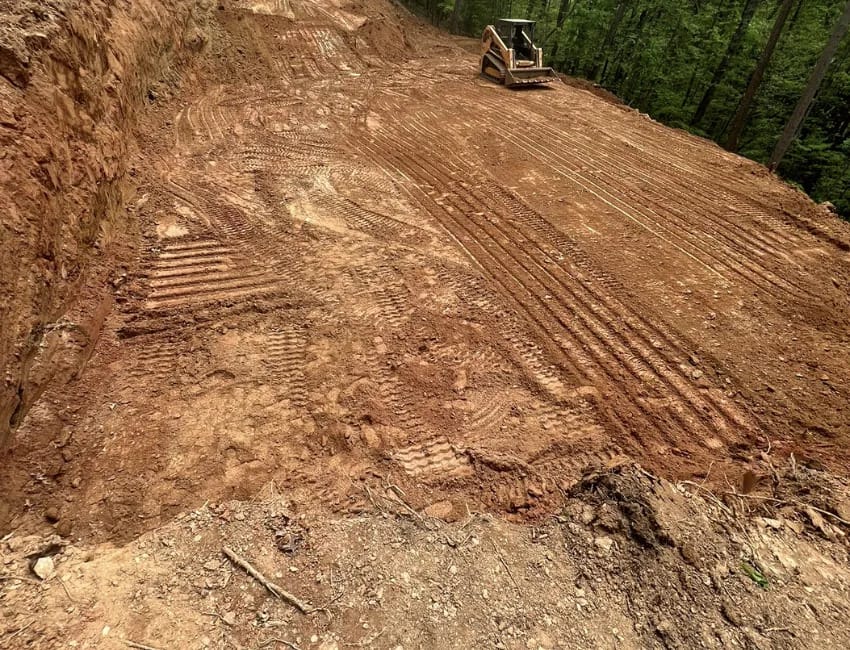
Next we prepare the surface. This may include roughening slick dozer tracks, removing large rock clusters, knocking down rills, and lightly tracking slopes perpendicular to the flow of water. In Phoenix, simple track-walking is not enough. We focus on creating micro-texture that helps the mulch and seed lock in instead of sliding on smooth, dusty faces.
Once the surface is ready, we mix a site-specific slurry in our hydroseeder tank. This slurry typically includes water, region-appropriate seed mix, a hydraulic mulch (wood fiber, paper, or blended), tackifier, and, if needed, soil amendments like gypsum or starter fertilizer. The mixture is continuously agitated to keep ingredients suspended, then sprayed under pressure in overlapping passes for complete coverage.
On higher risk slopes or drainage swales, we increase application rates, use a stronger tackifier, or apply a two-step bonded fiber matrix system where we spray a first pass, allow it to set briefly, then apply a second reinforcing layer. Finally, we mark treated areas on your site plan and communicate any traffic restrictions to your crew so the new cover is not damaged before it sets.
Materials and Design Options for Phoenix Construction Sites
Not every construction erosion control hydroseeding job should use the same mix. Phoenix projects deal with intense sun, low humidity, and sudden high-intensity storms, so we tune materials to each site rather than using one generic spec.
Mulch types: For most construction slopes, we recommend a wood fiber or wood/cellulose blend because it holds moisture longer and grips better on our dusty decomposed granite and compacted fill. On short-duration temporary stabilization, we may use a more economical paper or blended mulch where site risk is lower. The application rate varies from about 2,000 to over 4,000 pounds per acre depending on slope angle and exposure.
Seed blends: For short-term stabilization, we often use fast-germinating annuals mixed with hardy perennial grasses that are proven in the Sonoran Desert, such as certain varieties of turf-type fescue, rye, or native bunchgrasses. On public projects, we match the agency-approved seed list and cover perennial native species where required for post-construction revegetation. We avoid high-water turf species unless the area will be irrigated or used as completed landscape.
Tackifiers and binders: To withstand Phoenix monsoon downpours, we use polymer or guar-based tackifiers at rates that actually matter, not token amounts. On extremely steep or highly visible slopes we may upgrade to a bonded fiber matrix that interlocks as it cures, creating a continuous blanket that resists surface flow.
Soil amendments: Many Phoenix sites have high pH, salt, or caliche. Where lab tests or local experience indicate, we add gypsum, sulfur, or organic amendments to help early root development and improve infiltration. This is especially important on detention basins and drainage channels where infiltration capacity affects performance.
Cost Factors for Construction Erosion Control Hydroseeding in Phoenix
Owners and contractors often ask why prices for construction erosion control hydroseeding can vary widely between bids. Legendary Hydroseeding Phoenix is transparent about what drives cost so you can compare proposals fairly.
Slope and access: Steep, tall, or irregular slopes require more time, more hose work, and often heavier mulch and tackifier rates. Poor access that forces long hose pulls or small load sizes increases labor and equipment hours. Flat pads that can be sprayed from the truck are more economical.
Specification and performance risk: Agency or engineer specifications that require bonded fiber matrix, dual mulch passes, high seed rates, or specific native species will cost more than basic temporary stabilization. Also, sites with a high risk of inspection failure or storm damage often warrant heavier applications, which increases material cost but reduces your rework risk.
Water availability: On many Phoenix sites, water must be metered from a hydrant, trucked in, or scheduled around other trades. If we can tie into an on-site water source with adequate pressure and volume, costs are lower than when we must haul all water.
Area size and phasing: Large contiguous areas are more efficient than many small scattered patches sprayed weeks apart. If you can group areas of similar spec together, we can reduce mobilizations and pass that efficiency back in pricing.
When reviewing quotes, ask what mulch type and rate, seed mix, and tackifier rate each contractor is using. A cheaper price with thin mulch and light tackifier is not a bargain if it fails the first time rain hits.
Common Problems on Phoenix Construction Sites and How We Address Them
Local contractors know that Phoenix erosion issues look different than in wetter climates. Legendary Hydroseeding Phoenix designs construction erosion control hydroseeding to address specific recurring problems we see in Maricopa County.
Problem 1: Dust and crusted soils. Construction soils often develop a hard crust from sun and compaction, with powdery dust on top. If you spray on top of this, the mulch can slide during a storm. We break the crust mechanically where needed and use higher mulch and tackifier rates in high-wind corridors like the west valley.
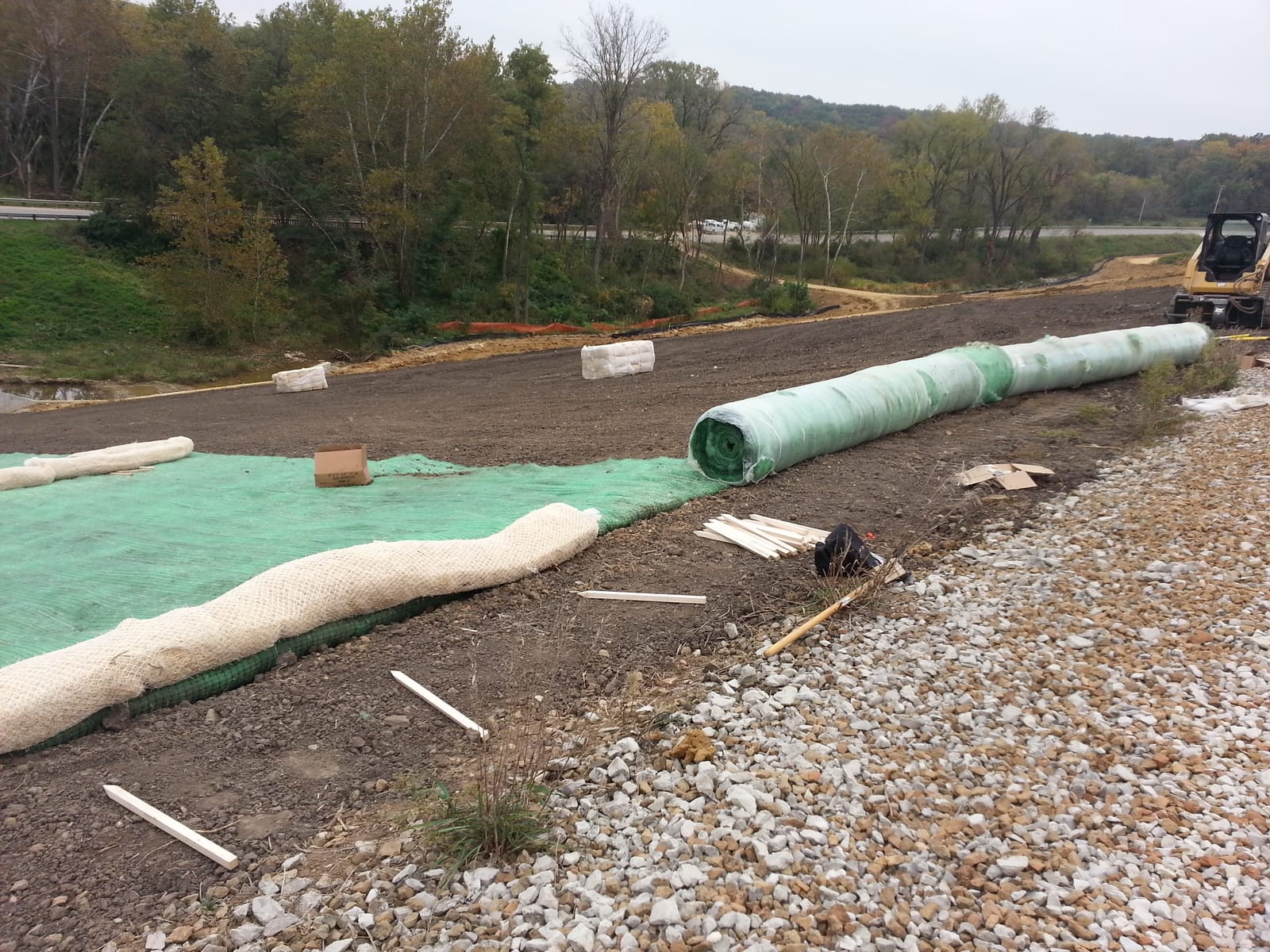
Problem 2: Monsoon sheet flow. Short, intense summer storms send water racing down new cuts and fill slopes. To combat this, we coordinate with your erosion control or grading subs to make sure check structures, rock socks, or wattles are installed before we spray critical areas. In swales, we might pair hydroseeding with rolled erosion control blankets, pinning them in place and seeding beneath or over them.
Problem 3: Traffic damage. Equipment tracks or trenching through freshly treated areas is a leading cause of failure. We mark spray limits for operators, flag no-drive zones, and, on very tight sites, schedule work by phase so we are not trying to protect areas that must stay active.
Problem 4: Seed not establishing. In Phoenix, lack of moisture is usually the culprit, not bad seed. If irrigation is available, we provide a simple watering schedule aimed at early establishment, not landscape-level irrigation. If irrigation is not possible, we plan hydroseeding to coincide with cooler seasons or ahead of the monsoon windows where practical.
By anticipating these local issues before we spray, we reduce callbacks, rework, and inspection headaches for your team.
What Phoenix Builders Should Know Before Hiring a Hydroseeding Company
Construction erosion control hydroseeding on a live job site is very different from residential lawn seeding. Before you hire any company in Phoenix, there are a few critical points to verify so you do not end up with seed on the ground but no real erosion control.
First, confirm that the contractor regularly works under SWPPP conditions and understands ADEQ and municipal stormwater program expectations. Ask for examples of recent construction projects, not just photos of green lawns. Legendary Hydroseeding Phoenix can provide references from general contractors and civil contractors around the Valley.
Second, request the exact mix design in writing. That should include mulch type and application rate, tackifier type and rate, seed species and pounds per acre, and any soil amendments. Vague descriptions like "premium mulch" or "erosion control mix" make it impossible to compare bids or prove compliance later.
Third, discuss site access and scheduling. A good contractor will ask about water sources, other trades on site, and critical path dates. We routinely work night or off-peak shifts on busy commercial and infrastructure projects to avoid interfering with your production.
Fourth, clarify warranty or performance expectations. On construction stabilization, the realistic commitment is proper installation to specification, not a guarantee of full vegetative cover in the middle of a Phoenix summer without water. We are clear about what conditions are needed for success and we will document our work with photos and application logs for your records.
Finally, check that the contractor carries appropriate insurance and that their equipment is sized to your project. Undersized machines on large sites lead to missed deadlines and inconsistent coverage.
Why Legendary Hydroseeding Phoenix for Construction Erosion Control
Legendary Hydroseeding Phoenix focuses on construction-scale erosion control, not just small residential lawns, which means our people, equipment, and processes are tailored to the demands of active job sites in the Phoenix area.
We run high-capacity hydroseeding units capable of handling large subdivision phases, roadway corridors, and commercial developments without constant refilling delays. Our crews are trained to read plans, coordinate with superintendents, and adapt to mid-project grading changes without losing coverage or missing critical slopes.
Because we work across the Valley, from north Phoenix and Scottsdale to Goodyear, Chandler, and Queen Creek, we know how local microclimates and soil conditions change from site to site. We adjust our construction erosion control hydroseeding designs based on slope orientation, irrigation availability, and municipal requirements rather than applying a single default mix everywhere.
Equally important, we treat erosion control as part of your overall site strategy. We will tell you when spot hydroseeding is enough, when you should pair it with physical BMPs like wattles or blankets, and when a more robust bonded fiber matrix is justified. This practical, project-first approach is why many GCs call us early in preconstruction to help budget and value engineer their stabilization scopes.
If you are planning or managing a construction project in Phoenix and need reliable, inspector-ready erosion control hydroseeding, Legendary Hydroseeding Phoenix is equipped to support you from first rough grade through final stabilization.