Home › Stormwater Swale and Rain Garden Hydroseeding
We specialize in swale hydroseeding in Phoenix, AZ to stabilize drainage channels and rain gardens around homes. Our mixes use deep-rooted grasses and natives that tolerate periodic flooding while reducing erosion and improving water infiltration.
Legendary Hydroseeding Phoenix provides professional swale hydroseeding throughout Phoenix, AZ, Arizona and the surrounding area. Our licensed, insured crew delivers safe, clean, on-time work with a free estimate before anything begins. Call 623-323-4586 or request your free quote.
Stormwater swales and rain gardens that actually work in Phoenix
On many Phoenix properties, the "low spots" that collect water during monsoon storms are actually opportunities. Properly designed swales and rain gardens can slow runoff, filter pollutants, and protect buildings from erosion. At Legendary Hydroseeding Phoenix, we focus on making those features functional in our hot, dry climate, not just pretty green lines on a plan.
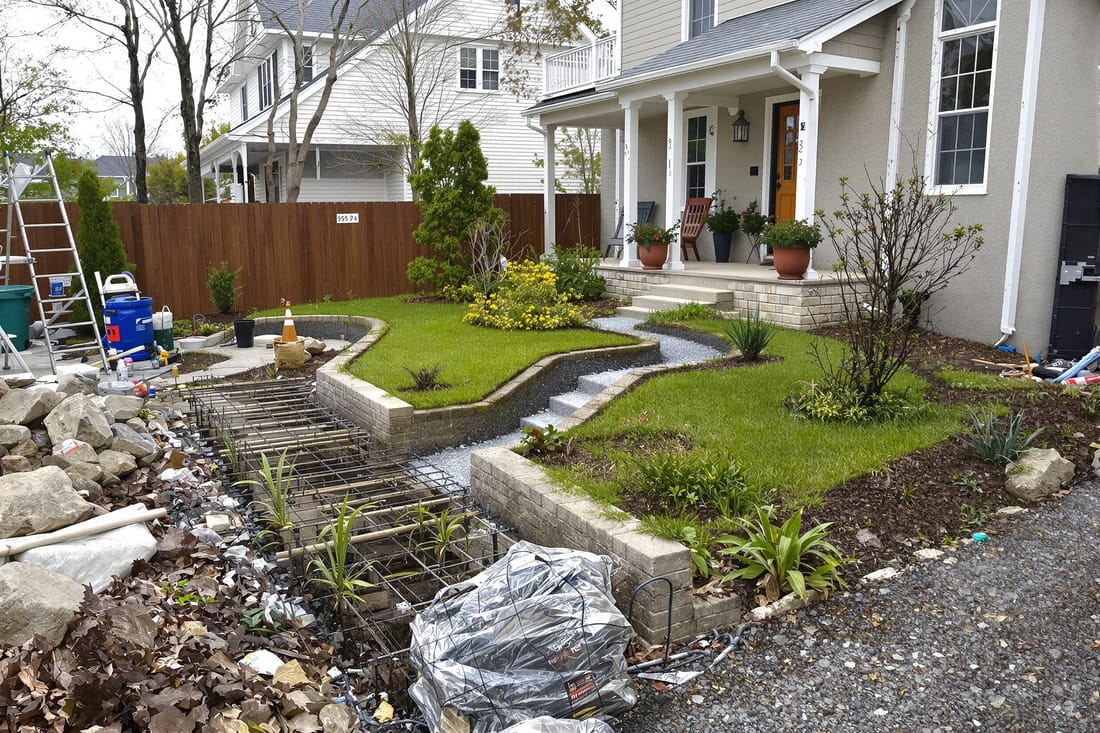
Swale hydroseeding is a targeted way to stabilize the gently sloped channels that move stormwater across your lot. In Phoenix, these swales often connect roof downspouts, driveways, and landscape areas to dry wells, retention basins, or the street. Hydroseeding lets us place drought‑tolerant seed, mulch, soil conditioners, and tackifier in one uniform application so vegetation can root quickly and hold the soil when the first big rain hits.
Rain garden hydroseeding has a slightly different goal. These shallow depressions are meant to soak water into the ground instead of sending it off your property. We use hydroseeding to establish dense plant cover in the basin and on the surrounding berms so the area can handle intense cloudbursts without washing out. The result is a landscape feature that manages stormwater, draws in pollinators, and still respects Phoenix water restrictions.
Our step by step swale hydroseeding process in Phoenix
A successful swale hydroseeding project starts with grading, not seed choice. We first check the slope, depth, and direction of your swales to confirm water will move steadily but not so fast that it cuts channels. In Phoenix clay soils, this often means shaping a broad, shallow swale instead of a narrow ditch so water spreads out rather than scours.
Once the shape is right, we inspect the soil. Many Phoenix lots have compacted subgrade from construction and a thin layer of rocky decomposed granite on top. For swales and rain gardens, this can cause water to bypass the root zone. We loosen the soil to a workable depth, remove large rocks, and often blend in compost or screened topsoil in the flow line and basin areas so roots can take hold.
Next comes the hydraulic slurry. We load our hydroseeder with a custom mix selected for each site. A typical Phoenix swale blend includes regionally adapted native grasses, deep‑rooted bunchgrasses, and sometimes a small percentage of low‑growing wildflowers for additional root diversity. For rain gardens, we may modify the blend around the edges to include more ornamental varieties that handle periodic flooding.
We spray the slurry in overlapping passes along the swale bottom, side slopes, and any adjacent berms. Coverage is carefully controlled, especially near inlet and outlet points where flow is strongest. For steep or highly erodible spots, we increase mulch and tackifier rates or recommend an added fiber roll or erosion blanket. After application, we walk the swales to inspect for thin spots and re‑spray as needed so there are no weak areas that could become washout points during the first storm.
Choosing plant mixes that survive Phoenix sun and stormwater flows
Seed selection is where many swale hydroseeding projects in Phoenix succeed or fail. A mix that looks lush in photos may not handle 115 degree days, reflective heat from block walls, and occasional high velocity stormwater. At Legendary Hydroseeding Phoenix, we build mixes with those stressors in mind.
For swales that primarily convey water during storms, we prioritize deep‑rooted grasses with strong crowns that can flex under flow and then spring back. Species might include drought‑tolerant native gramas, alkali‑tolerant varieties where salts are an issue, and occasional groundcovers that knit the surface together. We limit high thatch producers that trap too much debris and cause standing water problems.
Rain gardens are slightly different. The basin floor needs species that can handle short periods of saturation followed by long dry spells. We often specify a combination of native bunchgrasses, some flowering perennials with deep taproots, and low shrubs along the shoulders where they will not obstruct flow. On HOA or commercial properties, we can coordinate with your landscape architect to match the look of surrounding planting palettes while still using stormwater‑appropriate varieties.
We also account for microclimates on your site. A swale shaded by a wall on the north side of a property may support different species than one that runs along an exposed south‑facing driveway. By designing swale hydroseeding blends that respect sun exposure, reflected heat, and irrigation realities, we reduce the risk of bare spots or plant loss after the first summer.
How Phoenix weather affects timing, watering, and establishment
Phoenix climate shapes every decision we make about stormwater swale and rain garden hydroseeding. We typically target two main windows for new installations: late winter to early spring, and late summer around the tail end of monsoon when soil temperatures and natural rainfall can support germination.
Installing in May or June is possible, but it requires more intense temporary irrigation because seed and young roots can desiccate quickly in our dry heat. For projects near critical infrastructure, such as swales protecting building foundations or parking lots, we will walk you through the trade‑offs between timing, irrigation cost, and risk of erosion if you wait.
After hydroseeding, newly treated swales and rain gardens must be watered lightly and frequently at first, then gradually shifted to deeper, less frequent cycles. In Phoenix, this often means 2 to 3 short watering cycles per day in the first 2 weeks during hot weather, then tapering to every other day, then to twice weekly once roots have penetrated several inches. For rain gardens tied into roof drains, we design watering plans that can be scaled back during periods of regular storm activity.
We also prepare you for monsoon storms during establishment. If heavy rains are forecast within a few days of application on a steep or critical swale, we may suggest temporary check dams, wattles, or a staged approach where upper sections are hydroseeded first. This reduces the chance that a single downburst will peel material off before the tackifier has had time to fully bond.
Common swale and rain garden problems we prevent or repair
Phoenix properties often show the same set of stormwater issues: bare channels that deepen with every storm, rock‑lined swales that simply shift stones downhill, and rain gardens that were designed as features but never actually absorb water. Our aim with swale hydroseeding is to prevent these patterns or correct them if they already exist.
Undersized or poorly graded swales are a frequent source of trouble. When we inspect your site, we look for signs that water is jumping the swale, cutting new paths across driveways or yards, or backing up against walls. In some cases, we recommend minor regrading or adding shallow spreader swales upslope to reduce the volume that any one swale must carry.
Another common issue is crusted or hydrophobic soils in rain garden basins. These surfaces shed water instead of absorbing it. Before hydroseeding, we often break up the crust, add organic matter, and sometimes incorporate soil penetrants so the root zone can actually take in the water you are trying to manage.
For established but failing swales, we can rejuvenate vegetation through overseed hydroseeding. This process includes lightly scarifying the soil surface, trimming existing plants if needed, and applying a lighter slurry that fills gaps and thickens coverage. This is especially useful where traffic, pets, or utility work have created bare paths in the flow line.
When washouts have already occurred, we focus on stabilizing the most vulnerable points first, such as bends in the swale, discharge points from downspouts, and junctions where multiple flows merge. We may pair hydroseeding with small rock energy dissipaters or vegetated check structures that spread flow and protect the new planting until it is fully rooted.
What drives swale hydroseeding cost in the Phoenix area
Homeowners and property managers often ask why two swale hydroseeding quotes can differ, even for what appears to be the same linear footage. In reality, several Phoenix specific factors drive cost, and understanding them helps you compare proposals fairly.
Access is one of the biggest. If we can back a hydroseeding rig directly to the swale or rain garden area, production is efficient. When equipment has to stay on the street and material must be sprayed over walls or through tight side yards, we may need longer hose runs, extra crew, and more time on site.
Soil preparation is another cost driver. A simple rake and clean where soil structure is already good is less expensive than areas that require deep ripping, importing amended soil, or removing construction debris. For rain gardens installed in compacted subgrade, proper preparation can be a significant part of the budget, but skipping it usually results in poor infiltration and plant failure.
Slope, length, and design complexity also matter. Long gentle swales on relatively flat lots cost less per linear foot to hydroseed than steep, terraced, or highly curved channels that need variable application rates and additional erosion controls. If your swale ties into city right of way, we also account for coordination with local requirements and any protective measures needed to keep material off sidewalks and gutters during application.
Finally, the seed and mulch specification affects price. Native mixes and higher application rates generally cost more upfront but often reduce long term maintenance. We will present options clearly and explain which items are must haves for performance and which are aesthetic or longevity upgrades so you can make an informed decision that fits your budget.
When to call Legendary Hydroseeding Phoenix for your project
If you see standing water near your foundation after storms, erosion rills in gravel, or sediment building up at fence lines, your site drainage and swale system likely needs attention. Hydroseeding will not fix every grading problem, but it is a powerful tool when combined with correct slopes and soil preparation.
Legendary Hydroseeding Phoenix works with single family homeowners, HOAs, landscape contractors, and civil engineers throughout the Phoenix metro. We can join your project at different stages, from early consultation on where swales and rain gardens should go, to final hydroseeding of already graded features that must pass inspection.
Before you schedule, gather any site plans, drainage reports, or previous landscape drawings you have. Photos from storms are particularly helpful, since they show where water actually goes versus where the plans say it should go. During our visit, we will walk the property with you, discuss your maintenance capacity, and tailor the seed mix and mulch system so it can be realistically cared for in Phoenix conditions.
Stormwater swale and rain garden hydroseeding is a specialized service, not just "spraying grass." When done correctly, it protects your property, supports groundwater recharge, and can even make parts of your yard more usable. When you are ready to stabilize your swales and give your rain garden a real chance to thrive, Legendary Hydroseeding Phoenix is prepared to design and apply a solution that fits the way water actually behaves on your site.